I saw this many times. I speculated through dialogue and imagined a plausible situation. How would it transpire? What would the outcome be? What are the other perspectives?
There are so many casualties in war. Perhaps the most damaged veterans are the one’s that didn’t even know they were in the fight.
It was a late March afternoon. The sun was beating down, searing the desert and the mud walled compounds that lay below. It was well above 40 degrees. The locals kept cool in the afternoon by carrying out light chores or resting in the heat. In some areas, local men were preparing the fields for the grape harvest. Others were tending to the poppies that would be ripe soon for the opium harvest. Some were repairing their compounds from the winter rains of January and February. Many irrigation fields had corner holes to allow water to fill from the Arghandhab. They had to be repaired but in the afternoon, very little activity occurred.
146 in the Reg
“How’s the POL?” I asked my first officer referring to his awareness of any life in the compounds below.
“Quiet today.” He answered as he looked around.
“Don’t see too much…too hot.” Snapshot, my right gunner, added.
I looked back and he had his camera up. Occasionally, he would see unique sites that few others had the eye to appreciate.
“I don’t know how the ladies in these compounds have beautiful blue gowns yet everything else is dusty brown and dirty.” He observed.
“Ya, interesting. How do they keep those shimmering clean?” I added noticing a woman with her child in the corner of a compound near a shaded area.
We zipped by about 75 feet above her as we crossed over Nakhoney towards the Adamz-eye chain of compounds that stretched from Salavat mountain to the Reg in the south. It was a narrow band of homes, but extremely tactical for the insurgents. They could easily attack the Canadian FOB in Nakhoney and egress through the mine-filled grape-fields to the wadiis and compounds west.
“There’s a man and a woman with a little boy.” Snapshot noticed.
“Unusual this time of day.” I answered.
Men were usually at the market selling produce or working in the fields. Regardless, it was rare to see them together in compounds. They seemed to be dialoguing. The child seemed to be stuck to the mother not like a child would behave near a father.
“Who knows? Keep your eye’s out…this place is crazy.” I added. But nothing would ‘likely’ happen today. The opium harvest was the most important action this month. Fighting us infidel’s would be secondary. The prime mission was to sell the drugs, raise money and then take up arms after harvest in May.
We proceeded west to SPER for an over-watch task ignoring the events below. It was just another day.
Nakhoney and Adamz-eye area
“Look at the helicopter.” The woman told her son as they worked in the yard. She had a way of keeping her clothes shimmering in the sunlit sky as she tended to her chores.
“Yes, will they hurt us?” The boy asked.
“No, look at them; they usually wave if they see you.” She added.
She was about 25 years old. She was taking care of her wifely duties inside her compound – her home – about 600 meters west of Nakhoney in the Adamz-eye chain of villages that stretched from HYENA through LAKE EFFECT to the Reg Desert. She stayed in her home and tended to the needs of her family. Together they tended to the yard until some weapons firing commenced in the east towards the Canadian base. She was used to this. It was nothing unusual; occurring almost daily; she knew the difference between the sound of an AK-47 and a C7 assault rifle. She recognized the AK47 shots. The fighting had been going on long in her country. She had heard tales from her parents about the Russian invasions some thirty years earlier. She had witnessed her own horrors and wondered if the fighting and the hatred would ever end. Now the Taliban, and the ANA and more foreigners were in her land.
“Stay close to that wall.” She pointed east knowing it was the safest part of the compound.
She interpreted these shots as a Taliban ambush against a Canadian or ANA patrol. It was no concern of hers. The bullets would not be going towards her. Even if they did, the walls were thick and bullets could not penetrate them. She was safe as long as she did her duties inside the walls. Her and her son continued to tend to their work.
A man ran into compound from the east.
“Move inside.” He commanded fiercely.
“You can not be in here…my husband is not home.” She said humbly with her eyes to the ground.
“I know where you husband is…be silent and do as I ask.” He firmly stated moving towards here.
She pulled up her bright blue burka and covered her face as per customs; she grabbed her son and pulled him inside the house within the compound.
The man moved in the corner of a compound door, he maintained a watch down the road as he spoke with her. He was well aware of the combat occurring between Taliban and Canadian troops. He scanned in all directions. He held a small cell phone and was talking in short concerned yet angry bursts into the phone.
“Bring the package. Bring the package now.” A faint but panicky voice stated over the phone in Pashtun.
She could hear. She knew. The Afghan mother protected her boy and curled up with him in the corner across the room in terror. She recognized him, but he was not family. He had arrived from Pakistan during the winter. He had been working with her husband in the opium fields. He was a buyer, a soldier, and an insurgent.
The young boys whimpered in a shallow cry and leaned into his mother. She stroked his head holding him tight; covering his ears as the man looked over to him. They rocked together worried of the situation.
“Tell that boy to be quiet. Allah demands it.” He hollered. He was perturbed at the whiney interruptions towards the sensitive phone call.
“Now?” the man asked in the phone looking at the boy.
The mother saw his eyes and pulled her boy tighter.
Gunshots continued to echo a few hundred meters to the east. Then helicopters started to arrive. The sounds of AK-47s shot and also shot back. An occasional bullet zinged overtop of the compound.
Taliban fighter with AK 47
“I am trapped. The enemy is engaging from the north. I cannot get a clean shot at the Infidels. I need the package now.” The voice stated.
“No!” You cannot take him. No!” She argued. She held her son tightly. The boy started to cry.
He walked towards her angrily. “You insult me, your husband and Allah. Stop it.” He rose his hand threatening to strike.
She cried silently as tears fell down her face.
He grabbed the boy and pulled his arm. He started to whimper. The other hand holding the phone, which faintly but persistently continued demands.
“Yes, I am bringing the package.” The man answered into the phone looking directly at the woman.
The man took a deep breath and calmly kneeled down to the boy.
“Do not be afraid. It is time for you to become a man and stand up against the infidels and what they bring to the land.” He preached intently.
“This is a great noble task and Allah will protect you; you will be safe.” The man continued as the boy intently listened as he dried the tears from his cheeks. His mother went into a private room to hide her fearful tears.
“Allah will stop all the shooting when you go into the field of battle. You are special. All men will stop fighting. The man on the phone needs you. Allah will protect you.” He preached to convince the boy.
He pulled the boy out of the compound. The mother looked out from the shadows tears rolling down her face. The boy went limp with terror. The clenching grip of the man dragging him down the road towards the fire-fight. His face paralyzed and flushed of all emotion.
The helicopters buzzed above their heads as they walked towards a large grape-hut. He heard the bullets zipping above his head. Dust-splashes of bullets impacting the grape-huts a hundred yards ahead.
“I am bringing the package to you.” The man yelled into the phone.
The boy looked up to the helicopters. He saw the masked face of a door gunner looking directly towards him. He was aiming his weapon on the grape-hut. The boy knew the gun; it delivered the breath of Allah. The noise. The dust. The gunshots. The door gunner was not shooting yet but the boy could see him taking aim. He felt the painful squeeze of the man yanking him down the road forcing his numb legs to move. Numb with terror…
It was a cool 35 degrees in the shade next to the helicopter maintenance hangars. Our combat gear was kept inside a wall of sea-cans along the flight line. Often we sat bantering in this band of shade while cleaning weapons and preparing gear. Today we were preparing our ‘go-bags’.
A ‘go-bag’ is back-pack to compliment our survival vest. It carried the necessities required if we were shot down. The things necessary to fight and survive. The Air Force provided necessary survival training and equipment that we should carry in our vests and “go-bags”. Ironically, it was filled with fishing line, snare wire, matches and survival booklets with a few ounces of bagged water–which mostly just attracted mice. Otherwise, fantastic for the boreal forests in Canada but not so suitable here. This notion created some sarcastic banter ridiculing the equipment:
‘If I land in the dessert, I’ll set up a snare-wire defensive perimeter;’
‘If the Taliban shoot me down, I’ll set up a survival fire. Someone will find me!’
‘Maybe some fishing in the wadi? Right next to the IED trap.’
‘Alway stay by the wreckage, then Search and Rescue will find you….so will the Insurgents!’
As opposed to an infantry soldier that would advise you to black-out, move to survive; learn tactical bounding. I couldn’t find anything in the “Down – But – Not – Out” booklet about tactical bounding.
“I can’t believe they sent us this crap!” Grumpy stated. Grumpy was instrumental in making sure we had the appropriate ‘go-bags’ that would carry what we really needed.
“Get rid of that shit Steve! Load it up. I recommend an ammo pack here, here and here…the rest inside.” He was pointing to the various belt placements to attach gear.
A basic survival load. It was a personal thing. Missing first aid gear, water….where is the fishing and snare gear???
“How much are you carrying?” Fender stated.
Fender was an experienced tactical pilot of calm demeanour. He had a lot of experience and his strongest asset was his ability to stay calm. Even in the most trying times, he would pause, breath, turn his head contemplatively then respond even calmer. He brought his guitar and spent a few minutes each evening strumming a few tunes before he slept. I don’t want to use his name so I’ll nickname him Fender for these dialogues.
“10 mags, all of it.” Grumpy instructed. “4 on my chest, 2 on my holster belt and the rest in the bag.” He continued loading his magazines.
Big-C nodded in agreement. Big-C is obviously another nickname to describe a large, strong and stocky Saskatchewan farm-boy. He was generally quite stoic. He always had a mischevious smile yet a hard work ethic. Practical. He had served in Iraq with the American’s on exchange tour and offered a depth of knowledge about tactics and the enemy. He also liked to enable, non-maliciously, situations to humour himself.
“What about these survival books and snare wire?” I asked holding them up.
“Put it in your locker.” Grumpy stated while everyone loaded their magazines. “…Not required.”
“Helmet, water, bullets and first aid gear…It’s all ya need…emphasis on bullets and water.” Big C stated without lifting his head from loading his magazines.
“And the spur-ride carabineer and strap.” Added Fender. If shot down and you needed out quick with no other helicopter available with seats, spur-ride was a way to strap yourself onto the outside of an apache or kiowa. It was an extraction technique when the enemy was breathing down your neck. Basically you tied yourself to the weapons pods and rode out.
Spur ride off the Kiowa….”Just shoot the enemy while we egress, watch my blades please!”
“Lotsa bullets…if you go down you may only have your pistol available; so make sure you have 3 or 4 mags on your body too.” Grumpy further advised as he aimed his 9mm at the ground testing his personally bought night laser-aiming devise attached.
Fender nodded and strapped some extra mag pouches to his pistol holster.
I picked up my first-aid gear, which was nothing more than a Kwik-clot bandage, a triangular bandage, gauze and some tourniquets. I carried half in my flight suit all the time. So even in KAF I had enough bandages to initiate help to someone if they got hit by a rocket.
“How many tourniquets you guys taking?” I asked.
“You should have at least one.” Fender stated.
Big-C looked up.
“I’ll take two for sure.” Grumpy added as Fender grabbed an extra placing it in his flight suit pocket and the other in his go-bag.
“Ya know if ya get hit in the leg with a 51 caliber dishka round it’ll pretty much rip ‘er off.” Big-C stated monotonously without lifting his eyes. He kept packing mags in his go-bag. “How you gonna put one on your leg in the cockpit in all that pain when your shin is blown off?”
Dishka .51 calTourniquet on Leg.
“Pfffft, you gotta point.” I was startled. “I can’t even reach my pedals with all that armour on in those plated seats.”
“Ya know what the tank drivers do?” C offered raising his eye brows omnipotently. His smile smirking horizontally across his face.
“What?” I asked naively.
“They wear ‘em…one on each leg. At least they are there and ready.”
“Shit. Maybe I should do that?” I stated rhetorically. I placed one on each thigh to try it out. My go-bag was now packed and weapon’s ready; it was time to try it all on anyway. I loaded all my gear on my back. Armoured vest, tactical vest with multiple magazines, leg holster with about 40 rounds ammo, and my go-bag with helmet, camouflage nets, 6 bottles of water, extra first aid gear and about 200 more rounds of ammo. I was an extra 85 pounds with my rifle. Some guys carried over 100 pounds. I strutted over to the helicopter feeling invincible; like a Mech-Warrior. However, my proud swagger was being inhibited as my tourniquets kept sliding down my thighs to around my ankles — like a failed garter belt. I had to put my rifle strap over my neck and walk with each hand holding up a garter-like tourniquet on each leg. This image of course destroying my rugged invincible self-image.
“What the fuck are you wearing?” the experienced French accented gunner asked as I approached the helicopter.
“I gotta tourniquet on each leg in case I take 51 caliber while flying…then I’m ready.” I spoke confidently.
He shook his head in disbelief but added. “Well okay, but I bet you wont be wearing those in a week from now.”
“I don’t know why I wouldn’t be.” I answered logically. “We’re not much different from the leopard drivers who wear ’em while driving.” I further parroted C’s words.
I wabbled back to the sea-cans holding my garter belt up. My 85 pounds of gear swaying like a turtle partially connected to its shell continually testing my balance.
“I think I can easily work with this.” I stated matter of factly to the guys.
Big-C just smirked; success in self-entertainment accomplished.
Fender took a glance at my condition and changed the topic. “Alright, we have the 430 Commanding Officer’s departure parade in a couple minutes; we should lock this gear up.”
In the Maintenance Hanger – (which were just leaning against)
“Tomorrow the remainder of the crews of 408 will arrive and we will have our change of command parade.” The CO addressed all the 430 staff at a bi-weekly Bar-B-Q in the helicopter hangar.
Every two weeks we paused operations for an Equipment Care Day (EC Day). EC days allowed time to repair equipment, clean weapons and conduct maintenance on the aircraft. It also allowed a little recreation time for shopping at the boardwalk and generally just centre oneself.
The best thing about EC Day was it that it also a bi-weekly Bar-B-Q. And every other EC Day, the Canadians were entitled to 2 beers per month. This happened to be a beer day. It also was the last day before the 430 Squadron members, Task Force Faucon, would head home.
“We’ve had a very challenging tour and I thank you for all the hard work and perseverance you’ve demonstrated.” (I don’t recall the exact words of the outgoing CO, but I do of his sentiment.)
“You can all be extremely proud of the move we accomplished to our current lines. (referring to a unit relocation of all equipment on the airport). Roto 8 will be very comfortable now and the operations centre is amazing. And we. You. Did this without stopping any operational performance to the Land Task Force.” He spoke proudly smiling of his team’s logistical accomplishment.
“And we brought in the Dillons. Started dual-dillon operations….and shelved that C-6 crap!”
“Yaaa! Woo hoo!” A few gun-ho cheers from the gunners.
“And we had our share of combat, spread bullets on the enemy and each have our stories to take home…and share.…”
“Yaaaa Infidel’s!” A french voice cheered out proud of the griffon capability.
“But most of all, we enabled troops and logistics to be moved quickly and safely with the Chinooks. This allowed the task force to complete more missions through aviation sustainable security….BUT!” He stated loudly and then paused continuing silently, respectfully. “But this was not without loss.” He was emotional and his eyes swelled. He paused to breath away mist in his eyes. There was silence.
“Everyday we walk down this ramp, we see the memorial we left here to remind others of their sacrifice. MCpl Pat Audet and Cpl Martin Joannette. We will always remember them.” He bowed his head as did everyone for a moment of reflection.
He looked up. “You have been the best team a CO could ever ask for. I wish you safe returns and a healthy time off.” Then he looked at everyone and started to applaud them; they returned the the applause. He opened a beer, “Salute, cheers.”
The crowd toasted back: “cin-cin” and drifted back into individual banter as the second beers were opening.
I walked over to the CO when he was finished addressing his troops and said fair-well.
“Hey Steve. These EC days are important to take every couple of weeks. Time to breath.”
“Yes, sir, nice to have a beer too.” I clicked his beer can.
“Yes. We made headways in convincing the army that the door-guns and Dillons are a very viable asset for continuous time-on-target as opposed to forward firing Apaches and Kiowas.” He professed. “You guys are getting the MX-15 next week. That stand-off optical capability combined with the dual Dillons will make you one of the most sought out Close Combat Attack platforms for Slayer. You’re going to have a great tour….Fly safe.”
I nodded. The MX-15 was brought on in very short notice. It was a training night-mare to try and figure out in a couple of weeks but we had a basic idea at this point how to get it working. It wouldn’t be easy but I was amazed by its long-range capability at both bight and day. It also had a high powered laser that could easily point to things beyond 15 kilometres whether they be a landing spot for Chinooks to go to or a target for an Apache to kill. It was capable.
C6 and MX 15 in Wainwright Alberta CF Photo by Corporal Simon Duchesne
“I will and thanks. Enjoy your time off sir.” I answered as he made his way through his troops to share memories.
Chip came by and gave me his last few words of advise,
“Steve, fly your guns. Fly protection — not formation.”
“Cheers.” I clicked my Molson Canadian against his.
“Cheers.” He responded.
I nodded and contemplated. I thought about those words and over the next few weeks. It became obvious that was going to change the way I flew in Afghanistan — not technically but the attitude. It was like a graduation gift from flying at home to flying in theatre — I took it to heart. My crew, some quicker that others, got on board with that philosophy.
I returned to my tent reflecting on the evening. I had my mission for the next day. It was ‘walkin’ the dog’ on MONTREAL route. It would be my last trips with 430 crew as the remaining 408 crew was arriving late this evening.
“Alonsi!” my French copilot stated to me. It was time to get back to the tent lines. “We have Table at 05:30 demain.”
There was a community table under some army canvass central to our tent line; aka: “Table.” ‘Table Time’ was when and where everyone met to depart for work.
THE TABLE – “Table-time” This is at Christmas.
I crashed down on top of my bunk and reflected on the day and the past week as I looked at the dusty canvass roof which waved gentle in the sulphury, poopy breeze. It would take sometime to get desensitized to the stench of the poo-pond as it burned my throat.
Fender was playing a few tunes softly on the other side of the thin fabric wall.
There’s a lady who’s sure,
all that glitters is gold.
And she’s buying a stairway to heaven…
I would get accustomed to his music over the next year. It was very relaxing, almost putting me to sleep recognizing familiar tunes…until he missed a chord. Then repeated it a few times before moving to the next bar.
When she gets (strum) there….(Strum) there….(strum) there….
I nodded my head with each strum hoping in silent cheer for him to nail the correct chord correctly.
…she knows, if the stores are all closed…
Yes. Ahhhhh. Silent applause in my head. Regardless of missed chords, I found the music soothing; maybe even more than him at times.
MEEERRRRRAAAARRRROOOOOWWWWWWW.
A long blast of the attack horn pierced through the camp. I couldn’t believe it. The first night I was finally getting some sleep and the horn goes off.
“Is this for real?” I called through the fabric divider to Fender.
“Yup, its a rocket attack,” he stated annoyed of the disruption to his practice.
“I’m trying to get on the floor but I don’t have enough room do you?”
“Nope, just slouch a little.” He mumbled back.
I grunted in frustration trying to maneuver to the small floor space. It was too small to lay out flat as prescribed. “I’m on my hands and knees but I can’t get flat…my ass is in the air.” I chuckled nervously. “If that rocket lands near here I’m gonna get sent home in a box with my ass blown off.”
“I don’t fit either; I’m just sitting on the floor — slouched.” He called back.
I surrendered to that idea flipping my body to a more comfortable posture then pulled on the light string to open my barrack box for my weapon and helmet.
“RWOKIT ATTACK, RWOKIT ATTACK, RWOKIT ATTACK,” stated the pre-recorded sexy female English voice of the emergency alarm system.
After the mandatory 2-minutes of floor discomfort, I took my protective gear and pistol and proceed to the rocket-bunker to wait for further information. The bunker was a huge concrete lego-like structure with walls and roof that were about 18 inches thick. Our tent group with about fifty other passers-by amalgamated at the bunker and waited. Most people wore shorts and T-shirts, with rifles slung drinking their evening Tim Hortons coffee.
Small blast walls – Bunker just to the right side.
“First one?” An American soldier enquired lifting his eye-brow.
“Second, how can you tell?” I anxiously responded. He smirked at me. My eyes were full open. It was easy to tell. He was cool; relaxed. He was smoking a cigarette. Not me. I was jacked and ready to run somewhere. I kept thinking first aid: heavy bleeding first, then airway, then blood, then circulation.
A rocket that visited the nearby bathroom in May. Can you imagine reading the morning base paper?
He raised his chin exhaling his cigarette smoke: “Number 53 for me. I’m countin’ for fun,” then calmly added. “You’ll get used to it.”
I don’t think I could ever get used to it.
“Did you hear it?” He looked in the direction of an explosion that went off a few minutes earlier. “I heard an explosion but it seemed far off.”
“Pretty sure it’s outside the wire…sometimes they miss the camp all together.” Someone else added rhetorically to the conversation.
“That’s good because if no-one gets hurt, the all clear will come really fast.” He responded.
He was right.
MEEERRRRRAAAARRRROOOOOWWWWWWW. The siren sounded again.
This time the English lady voice stated: “ALL CLAIR, ALL CLAIR, ALL CLAIR”.
People started moving on with their business as if nothing happened. I walked to the mini-bunker outside my tent and paused for a moment. I was very awake. I sauntered back to my bed. I laid my clothes on the chair, placed my pistol in the barrack box and sat on the edge of my bed. I watched the indirect light over the top of the fabric wall go dimmer as each pilot pulled their lightbulb-strings. Click, click, click. It was dark everywhere except my space.
I lay back staring at the ceiling a few more moments. How long would it take to desensitize? I sat up and dropped my feet to the floor. No way I was going to sleep. I put on my gym shorts.
NOTE: I had difficulty finding imagery so I selected from the internet those that best illustrated my story. Thanks.
NIGHT FLIGHT ORIENTATION.
An idea of whatt it looked like on a bright night.
“Freedom Ops, this is Shakedown 25 flight, at the FARP, estimating X-Ray in 15 minutes.” Chip advised over the radio.
Hasty mission changes were not uncommon. Actually, I preferred the hasty over the planned. The end state was always the same in Afghanistan but planned missions seemed pedantic. Hasty missions were given quickly over the radio. “You, go here and do this.” Simple. The tactical situations and enemy intelligence briefings were often speculative based on past events. Then intelligence would forecast future events based on their ‘sources’. Despite their efforts, often, they were like a bad weather forecast. Expect sunshine but get shot at or expect dark and gloomy and nothing happens. So from my experience, I preferred the ‘giddy-up’ style. Just give’er!
Since this was common, our single task days usually expanded into three, four or five task days as the tactical activity unfolded. With that in mind, we took a cooler with food to prepare for long days. The common load for the crews eventually became pop-tarts, water and RedBull. I remember having numerous days in which I was strapped to a cockpit seat for ten hours with a full ballistic vest, tactical weapons vest, pistol and ammo all on top of dual layer clothing for fire protection. The cockpit was rarely below 40 degrees celsius; leaving us soaked in sweat before we even lifted off the ground. And the only time we stepped out was at a fuel stop when we could pee on the berms, snooze in our seats, or stretch while waiting for their next mission; but the rotor never stopped.
Egyptian yoga and FARP pee break.
“This is excellent, we can get the night training done too.” Chip stated. “And I can go home sooner!” He added with a sarcastic giggle.
“Alright guys, let’s goggle up while we wait.” He told the crew and subsequently hinted to the other aircraft with hand gestures.
Each team member prepared their individual Night Vision Goggles (NVG) and attached them to our helmets.
“25, after FARP, come to X-ray and pick up 2 passengers for GRACELAND.” The radio ordered.
“25 flight roger.” Chip responded.
GRACELAND was a Special Forces base. Apparently it was the former home of Taliban Leader, Mullah Omar who was ousted during the initial war. It was home now to Coalition Forces conducting special missions and training for local ANA.
Examples of NVG – soldiers on lookout
“Okay guys, its pretty much dark and we are fueled up…so goggle up.” Chip stated.
The gunner passed me my google bag. I clicked in the NVGs to their mounts and strung the electrical connection to the battery pack behind my head. When I clicked the goggle tubes forward, the world was illuminated once again in a green glow. Even after all these years, I still think that technology is cool.
“On goggles left.” I stated letting the crew know I could see. I was still adjusting my focus on anything I could find that offered sharp contrast; a light post sufficed but it was not sharp, but good enough.
“Goggles right…left gun on goggles…right gun on goggles,” everyone sequentially advised.
“Two full throttles, complete the take off check and let’s go.” Chip commanded.
“KAF tower Shakedown 25 flight FARP to X-ray direct.” I asked over the tower.
“Shakedown 25, winds zero-eight-zero degrees at five knots, altimeter two-niner-niner-five, cleared air taxi direct X-ray.” Tower answered as we lifted the two helicopters sequentially east for the mile long short flight.
On arrival to the ramp, a couple of civilian looking guys with beards, long hair and jeans were waiting for the helicopters. I lifted my goggles to view them in the ambient ramplight. Not looking at all like soldiers, but obviously snake-eaters. A slang term often referring to the special forces. They often lived a harsh life surviving on minimal resources in remote areas doing their ‘business’; hence the descriptive nickname. These were most likely Canadians from JTF-2; a special counter terrorist organization that was ‘apparently’ employed in the Afghanistan area. There was no need to ask for a passenger manifest, there wouldn’t be one for the team – Snake Eaters travelled incognito.
“What the hell? Is that dude actually wearing sunglasses?” The right gunner sarcastically stated looking for an opportunity to crack a joke. The passenger, like most of us was wearing ballistic glasses and had probably broken or lost the clear lenses. I myself had gone through several pairs leaving only my ‘shaded’ lenses to wear. So I ‘got’ the sunglasses at night problem. However, it did make an opportunity to poke some fun.
“No way! Is dat Hollywood guy getting on here or on 26?” the left gunner’s french accent enquired.
“Here. Go get em.” Chip stated laughing at this stereotypical image.
The right gunner hopped out and escorted our passenger onboard. He strapped himself in like he had done it a hundred times. He didn’t flinch amidst the apparent jocularity of the Devil’s Infidels. He didn’t put on a headset just rose his thumb in the air, converted it to a karate chop which sharply chopped into the direction he wanted to go. I smartly replied with my own thumb up, and karate chopped in the proper direction mumbling over the intercom so only the crew could hear:
“Not that way Rambo…this way.” Followed by a few chuckles from the Infidels.
“26 is green to go.” Grumpy announced keying Chip to wind up the throttles.
As we flew past the airfield and cleared the security fence to the north, Chip called: “Fence out.”
I replied, “ASE, GUNS, LIGHTS, check”.
It was a standard checklist to prepare the aircraft for battle. I ensured the anti-missile flares were enabled, the gunners’ guns were enabled that external lights were blacked out. That only way we could be seen was with night vision devises.
Conversely, It was important to complete this checklist “fence in and fence out” on arrival to a FOB to ensure the flares and guns didn’t go off inadvertently. The ‘fence’ drill was a sort of last chance safety check.
The flares are devises designed to fool a heat seeking missile. Sometimes the flares would go off on their own. That was called a false hit. This was un-nerving as the loud bang of the flares going off implied a missile was coming to greet you. If a missile didn’t explode near the helicopter within a couple of seconds, it was a false hit and you could relax. After several hundred of these events, we became quite desensitized.
“So the plan is to drop off passengers, then goto the desert to experience the flares and then some more night gunnery and dustball work. After that, if we have some time, we’ll go hunt for IED planters for an hour.” Chip radioed the section.
“Roger that,” was 26’s response. “Hopefully Slayer will have some work for us tonight,” he added.
“Hope so, we’ll poke around Panjwai and try to provoke something,” he cockily added.
“What? Provoke?” I responded with naive concern.
Chip coached: “Just about every engagement helicopters have are do to prolonged observation. The Taliban are smart; they are not going to be shooting from obvious locations and make themselves overt. You have to find them, watch, then poke a bit.”
“Ohhhh K.” I reluctantly replied hearing some chuckles over the intercom. I was about to get schooled again.
Chip continued: “If you find a suspect, just observe. Let ’em know you see them and are watching. You’ll see. The innocent people will go hide but Taliban will saunter around watching you. Sometimes you have to get “in-their-face” and make them draw.”
“You got my attention.” I responded. “Maybe you gotta show me.”
“Yaaa…that’s what we’re talkin’ about! Call Slayer.” The gunner cheered over the intercom.
“I will, but we have to get the training done first.” I looked at Chip. His two goggle tubes staring back at me shaking left and right.
We approached the city, despite having very limited lighting, it was still very bright under the Night Vision Goggles. Chip pointed out the blimp cable. A tethered blimp with a camera attached was moored to Camp Nathan Smith and extended vertically to 3000’. It was difficult to see in the day, let alone the night. Once we located the line, we steered around it to avoid getting hung up; or chopping it loose. This had happened to a smaller version spy blimp a few months earlier (to another nation’s helicopter). Thankfully it was only an embarrassment vice a potentially lethal outcome.
Black spec is the camera-blimp (I think) – tough to find imagery.Kabul Blimp but more or less the same idea was in Kandahar City
“Slayer this is Shakedown 25 over Kandahar for C-N-S. Request airspace update.” I stated over the radio.
“Roger that Shakedowns. Shamus One-one is over the city at 5000′ going west to east on patrol; Shamus one-two will be following in five minutes. They are escorting a blackhawk to NATHAN SMITH. I gotta UAV blocked fifty-five to seventy-five. Stay below five.” Slayer advised.
“There’s lotsa hardware in the air tonight in this small space.” Chip sounded vigilant. Rightfully so. I was already looking and couldn’t see the Infrared flashers on the other aircraft due to the city illumination.
“26, you go in first, we’ll overwatch high to the north over the weapons ranges.” Chip briefed to our wingman.
We overflew GRACELAND on a low approach path then circled to a reverse course away from GRACELAND to see 26 behind us on approach. Then spiral climbed to a height out of small-arms range towards the north.
“You guys see those kiowas?” I asked the crew.
“I got the first set two o’clock by the prison up high.” the gunner answered.
“Visual.” Chip called. I could see him stretching his neck around to find the other traffic. Then we looked for 26 on approach. He was getting masked in the town lights behind him.
“26 is down…lifting in 15 seconds.” Grumpy’s crew called stating he had finished his insert.
“Sir you gotta come north, those kiowas are leaning this way.” the gunner called.
“26 its 25, lost ya in the lights.” Chip called over the radio.
“26, roger, we’ll climb north to a thousand.” Grumpy stated.
After the radio chatter I answered the gunner: “roger, looking for kiowas…adjust you approach a bit north Chip.”
“Check that.” he answered as the helicopter veered right on the westbound track.
“Left gunner, do you have him visual?” Chipper asked his gunner.
“Yup but he’s going to the left. He should be well above us.” He astutely informed.
“Roger. Dropping low on final approach into the FOB.” Chip stated.
“Check that. The other Shamus Flight is just coming over the ridge now as well. Clear.” I answered.
“Visual. No conflict.”
“26 Shamus one-two at your six one mile, same altitude.” I advised.
“Got ’em, visual. Thanks. Proceeding north.” He answered as Chip had maneuvered us onto final approached the wall.
“Clear the wall and below, clear to land.” The right gunner advised.
“The Shamus are clear now and 26 is high in overwatch,” the radio informed. Everyone focussed on landing duties. On touchdown, the stoic passenger raised his thumb and hopped out, adjusting his sunglasses as he disappeared into the compound. He didn’t have a clue that there were seven aircraft overhead and a steel tether all competing for the same few miles of airspace.
“Alright, that was busy. Is it clear now?” Chip asked.
“Yup…they are all east. Let’s go west.” I added. It was extremely confusing. Most everyone had eye’s looking out for helicopters amongst the lights of the city. Everything a blurry green. The biggest concern obviously trying to avoid a mid-air collision – which was not an unrealistic occurrence.
“Roger – moving up.” He announced as well all fell back into our take-off duties.
“25, we check your down and clear, maintaining high overwatch” 26 advised.
“Roger that – lifting.” I advised over the radio.
“26, roger, go north.” Grumpy called over the radio.
“Check.” We lifted the five and a half tonnes of helicopter into the air, as he reached the height of the west GRACELAND wall, he tipped the nose gently forward and started accelerating into the NVG made green environment.
BANG – BANG – BANG – BANG.
A loud explosive series of shot gun blasts went off just as they lifted over walls. My eyes enlarged. The side of the cockpit illuminated with bright light. Crap. I couldn’t believe this! We were being engaged on take off. All in my first few days in theatre. It was an opportune time for the enemy to hit a helicopter then follow with a ground attack in the confusion. They try that routinely; which is a reason the armed griffons were deployed in the first place.
“Is that a contact left near GRACELAND?” I called.
“Ahh Tabernac, colis,” Chip swore.
I immediately realized what happened. With the confusion of the aircraft doing the dance of death with other helicopters in the sky prior to landing, I forgot to safe the ASE flare dispenser. I forgot my first fence-in drill. On departure, the aircraft sensed a false missile attack that caused it to fire off a salvo of hot flares into the FOB. If they had landed in a fuel supply area, the mistake could have ended in an entirely different outcome.
Flares – not a griffon but you get the idea.
“Shit, I’m sorry…could of set off a fire works show if we hit a POL (petroleum, oil and lubricants) pit!” I stated as we flew off towards the darkened ridge.
“I guess that’s one way to remember the fence drill from now on,” Chip added. “No problem, we’ll just have a little paperwork to do when we get back,” referring to an incident reporting system.
The gunners laughed as it wasn’t the first time. “No problem, notting caught fire.” a voice said from the crew. “Lets go find some action.”
I took control and steered the griffon into formation as we passed the west mountain ridge of Kandahar city.
Chip guided the tour over the main routes and FOBs enroute to the Reg Desert. The three main routes were Highway One, Hyena and Lake Effect. These were east west roads meandering through the Canadian Area of Operations (AO). Highway One being the main ring highway encircling Afghanistan and was cratered from IEDs.
“What’s that burning along the highway? Is that a blown up vehicle?” I asked referring to the bright plume of green light and subsequent specs of green around a dark hole.
“Oui. Look at the crater. You can see the thermal hot spots with the goggles. All the traffic is diverting around the highway…oh check out that truck!” Chip noticed.
A transport vehicle was laying on its side, almost cut into two pieces and still smouldering.
We were suddenly distracted by large plumes of light a couple miles to our left. Large balls of light were shooting into the sky illuminating the mountains. I was startled and started to veer away to the north. “What the hell is that?”
“It’s black illum…someone is firing Infrared Flares into the sky and observing with Night Vision Technology for movement in the area or along the mountain ridges.” Chip answered. “Look under your goggles.”
I lifted my goggles and saw nothing. Black. Dark. Then I looked through my goggles again and saw the IR fireworks show. It was like daylight to anyone on NVG; made it easier for special night missions to happen on the darkest nights. I could see friendly forces doing patrols. As well, I watched local people in their compounds going about evening activities, totally unaware of the covert activity occurring.
Example of black illum flare. – Instant IR daylight
“That bright area is FOB WILSON, further south is MASUM GHAR and way to the south you can see another bright FOB..that’s SPER.” Chip pointed out.
“Got it.” I noted. The was area was foreign but seeing it for a second time made it more familiar already.
Chip continued: “If you look down highway 1 west for another 10 clicks, you can see some lights on the right. That is the American FOB near Howzie. All the area on the left is red, this is where the main fighting has been for our tour. Watch yourself in here.”
“Check that!’ I acknowledged.
“Eh, let’s go low and do some hunting boss.” A gunner’s voice excitedly rose from the back.
“For sure, why don’t you check in with Slayer and see if they need some help somewhere.” Chip suggested.
“Slayer TOC, this is Shakedown 25 Flight.” I stated over the radio.
“Go for Slayer.” was the reply.
“25 Flight of two Griffons, approaching your ROZ (Restricted Operating Zone) for an AO tour near WILSON. We’re available for support if required. We have two times dual dillon door guns, 16,000 rounds of 7-6-2, request into airspace and an update.” I stated proudly for my first real real check-in (for action).
“25 flight roger, Airspace is HOT, Guns are cold, I got PREDATOR at Angel 20, SHAMUS operating in airspace currently near Howz e madad, remain below Fifty Five,” he cleared over the radio.
“ROMEO TANGO, approaching WILSON now.” I advised.
“Okay, lots here in a few miles.” Chip stated. “1 RCHA from Manitoba is moving into WILSON, they have artillery support to about as far as Nakhoney.”
We approached MASUM GHAR, a FOB on a ridge that overlooked Bazaar e Panjwai about one minute south of WILSON. It was a small town nestled between two mountains. It acted as a strategic choke point for people travelling from highway one south to the lower Tarnac Valley and Reg Dessert.
How we knew we flew to the right spot.
“The Lord Strathcona’s from Edmonton are gonna be here with the Leopard tanks.” Canada was the only country in this war that had armoured units in theatre. The Leopard 2 tank was one of the only weapons that could penetrate the mud walls that the Taliban hid behind.
Another 2 minutes south we came to SPERWAN GHAR.
“Okay, 3 PPLCI (Princess Patricia’s Canadian Light Infantry), and maybe some artillery, also from Edmonton are moving in here.” Chip added. “Watch the tether here. It is a mini balloon with a camera a couple hundred feet. Just don’t go directly over the hill and you are okay.”
“Ha. Unlike doze guys last week that hit it eh?” the right gunner sneered in his french accent referring to a helicopter collision with the tether cutting the balloon lose; and also damaging the aircraft.”
“Everyone okay from that?” I asked.
“I think they just shit their pants but otherwise okay,” the right gunner answered.
“Watch the west of Sper, dangerous territory and lots of green space right to Howzie. Stay high or stay aggressive.” Chip stated.
Stay aggressive? I pondered that. Those words echoed in my head for the entire tour. And affirmations of the concept developed as I met more aviators in this role. As right now I did not quite know what he meant. It was more about attitude and spirit versus tactics and procedures.
We veered east to Salavat and Nakhoney. Unbeknownst to me at this time is that this would be my busy area this year and leave an impression forever. The 1st Battalion PPCLI then eventually in April, the RCR (Royal Canadian Regiment) had the pleasure of working there. It would probably to become the deadliest area of the war during during 2009/2010 easily overtaking Howzie’s reputation and rivalling Helmand Province 150 km to the west.
Everything was dark unlit mud walls in Nakhoney. I could barely make out the roads. Ironically, I would eventually know this like the back of my hand: from steel-door to cemetery, to wadi west and south, to three hills, to the large grape-hut to even the specific Taliban soldiers that would taunt me over the next year. I developed feelings of responsibility to patrol here when I had the chance. I badgered the Operations Officer to allow me to overwatch whenever my primary chinook-escort task was done just for a chance to hunt the devil from Nakhoney who burnt permanent images in my head with his despicable acts of terror. I knew his hiding holes, escape routes, bomb emplacements areas and dicker-spots. I saw Canadian blood spilled and children used as enemy shields here. It was going to get ugly. I didn’t know that yet. As right now, it was just a dark void with a few pot lights spread about compounds.
Nakhoney Area
10 kilometres east was Dand, which was only 20 kilometres west of KAF, completing the loop. It was the southern cut-off from the Reg Desert to Kandahar City.
That last paragraph was heavy – For levity, this is the guy I will recognize! (Thanks for Achmed Jeff Dunham)
“Contact! Tracer fire ahead. 4 kilometres. Should we break?” my heart pounded. This can’t be happening. First night in theatre and shots fired already.
“Naw, its okay! It’s just a wedding.” Chip stated calmly and veered gently out of the way.
“What the Fuck?!?!” I exclaimed. “Don’t they know there is a war going on?”
“Wedding…you’re gonna see lots of bullets going into the air when you fly at night. Sometimes its just a wedding celebration – or other times it could be indiscriminate fire in your general direction. Not necessarily at you but more just up.” Chip stated.
“Eez kinda like how they make a helicopter noise complaint.” The intercom added with a cocky giggle. “Kinda let you know dey don’t want you dere but dey dont want to fight you eider.”
Chip explained. “It’s not a threat, just note it and report it to Slayer…you’ll get use to it!”
I paused for a moment to metabolize that info in my brain. This wasn’t in the training plan is all I could think. I shook it off and radiod in.
“Slayer this is Shakedown 25 Flight”.
“Go for Slayer.”
“Slayer, we got gunfire into the air, not directive about 3 kilometers on LAKE EFFECT west of Dand, you got anything going on there?” I asked.
“Wait out.” Slayer needed a moment to investigate.
“Shakedown, this is Slayer, no friendlies in that area. Advisor stated that its probably celebratory, lots of weddings going on in that area this month. We’ll note the grid location and get the PRED (UAV – Unmanned Aerial Vehicle high above with a camera) to take a look, Slayer out.”
General Canadian Area
“There ya go.” Chip concluded. “Let’s hit the dessert so you can see the guns at night; you already saw the flares!” he added to rub-in my embarrassing error.
The difference between night and day gunnery was that with NVGs, every tracer round looked like a laser beam shooting to the target. With every fifth round a tracer meant that there were ten lasers per second attacking the target. It looked like a combat sequence from a Star Wars film. And the ricochets looked like a fireworks starburst. This time the full forward fire was not as shocking. However, the plume of light from the gun barrels combined with the tracer light, blinded my field of view. So in addition to being def, I was also totally blind during the dive attack.
“Check fire – check fire.” Chip yelled. “Pull out and break left.” He added. I could see the ground rushing towards us. As the gunners stopped shooting, I pulled back on the cyclic and looked back and saw Grumpy’s lava-like waterfall of bullets bounce off the target. Then I noticed movement in the desert below as I scanned my head left.
“Check fire guys! I see movement.” I called over the radio.
The waterfall of bullets stopped.
“What are you looking at?” Chip asked.
“I got’em, Bedouins over to the left 500 meters.” The left gunner stated. I tink dey are coming for the casings.”
Amazing! Even in the darkness these people were running across rugged terrain in the hopes of finding little brass pieces which represented income to their sustenance way of life.
Dillon Media shot
“Well, let’s knock it off for now Infidels. I think we’ve accomplished all we can tonight. Let’s head back, check one final time with SLAYER and go home.” Chip radioed the team.
“Roger dat, how was Steve’s first day?” 26 cockily added.
“I think he’s been schooled.” Chip replied. I looked over at him through my goggles. An unfocussed green image of big grin looked back at me and I replied by silently holding up my middle finger. He laughed at me over the intercom.
This time, as we approached the fence of KAF going into the FARP, I called: “Fence in – Dont forget your ASE SAFE – GUNS – LIGHTS!”
“BLOWTORCH 60 flight is clear to the north,” the radio cracked advising KAF tower that the section of two griffons and one chinook was proceeding outside of the control zone.
As part of my introductory flight, a Chinook was deployed to move some passengers. So my first flight in theatre was actually a mission day.
“Alright guys, let’s practice some tactical formation turns.” Chip announced over the radio.
“Tac Right!” the radio announced. The Chinook veered to the right sharply. This led to a sequence of three aircraft doing an organized ballet of twisting through the air. The sequences allowed the Chinook to avoid enemy fire while allowing the griffons to position for counter attack; all while maintaining formation defence integrity.
The chinook then completed some un-announced surprise turns. “Shakedowns shackle.” 26 called asking us to switch sides for better use of space and tactical integrity. I slid over over the the right side of the chinook while Grumpy avoided me and crossed under and behind to the left.
We twisted through the dessert sky east of Kandahar city for about 15 minutes practicing shackles and tactical turns until our rusty handling proficiency was back to normal after not flying for several weeks.
“Shakedowns, hate to break up all your fun but we have a task coming in, so time to go into Nathan Smith.” Blowtorch stated. It wasn’t uncommon for missions to come in once airbrone. Most missions happened that way. BLOWTORCH had to drop passengers and cargo into the city-central FOB called Nathan Smith. It named after one of the first Canadian soldiers killed in Afghanistan.
Kandahar City at sunset
The scenery enroute was surreal. Brown ground, brown city and bright blue sky making for golden reflections off the mud walls in the city. The city was massive but lacked tall buildings. The tallest and only colourful building was a bright blue domed mosque which was part of the religious university. The remainder of the city was a series of walls, which formed a labyrinth of homes, roads, canals and courtyards; all made of mud which hardened into concrete-like strength. Outside of the main city were smaller villages of compounds along the green zones. The Arghandhab river flows towards the south. Canals, hand-build, veered off the river, which irrigated the vast areas of grapes, watermelons, pomegranates as well as easily seen marijuana and opium poppy fields. All of this was brown due to the dusty summer season. The only green areas outside the waddis were acres of marijuana that were to be harvested in November.
Griffon over opium poppiesBright green marijuana ripen for fall harvest.
“Inbound Nathan Smith.” BLOWTORCH advised us he was on final approach.
Chinook in Nathan SmithCNS
“Two-five checks,” Chip acknowledged. “Two-six you go cover high, we’ll take low. Deconflict at 700 feet.” He further instructed Grumpy. This allowed each griffon to individually maneuver. The top griffon was not allowed below 700’. In case we lost visual with each other, it was ceiling or floor to separate us.
There were numerous tactical methods that could be executed to conduct escort operations and overwatch protection. Sometimes the situation developed that would require a different protection style so it was worthwhile to do a quick radio confirmation. Sometimes the biggest threat was the risk of colliding with each other – easily preventable with simple communications and deconfliction plans.
Once the Chinook was on the ground, the Griffon teams either climbed up to leave the area quiet to respect civilians around the FOB or operated in a distracting, aggressive manner to prevent Taliban from positioning for an attack. This depended on the briefed threat from Intelligence. Shakedown crews also looked for anything strange such as a dishka 51 calibre heavy machine guns, POL changes or rockets (RPG) teams maneuvering to ambush the chinook. In most cases, just enemy dickers were spotted. Dickers were Taliban positioned to report and/or strike if the conditions were favourable to attack the Chinook.
Example of chinook surviving an RPG attack.
Our griffon team tailed BLOWTORCH into the FOB checking the flanks for any dickers. I saw nothing peculiar; but then again everything was peculiar. I was so hyped up from training and anxious from the past two days of incidents that I could not tell the difference what was normal and what was not. It was a very overwhelming situation.
In training we became conditioned that people with shovels were digging IEDs. But now that we were there, I realized almost everyone had a shovel. They were filling in irrigation holes for the winter so the waters from the river could be trapped in the fields. Additionally, a shovel over the shoulder looks remarkably similar to an RPG from a distance; and RPGs were not uncommon in the ANA (Afghan Army) or Police. So it became evident very soon to realize that an RPG (especially a shovel) was not necessarily a threat unless pointed at you. Everyone had weapons. The question then became what are they doing with them? Are they concealed or open? Are they shoulder slung or aimed? What is the behaviour of the person with the weapon?
RPG
As the chinook flared its speed to land at Camp Nathan Smith, Chip peeled off low level and flew around the FOB looking at anything suspicious outsie a quarter mile. Meanwhile, 26, with Grumpy, popped upto a much high altitude and observed the overall perspective. He maintained a position to protect us and maintain the potential energy to respond by diving in like a hawk, while concurrently being out of harms way to observe. Based on what he saw, he would call the Chinook and give the safest departure direction.
“Blowtorch lifting in 15 seconds southbound,” the BLOWTORCH 60 announced. 15 seconds gave us time to get quickly organized, assess the departure path and fly to arrive in a protective position as Blowtorch lifted away. When this was done well, the choreography would impress a crowd at an airshow. This ballet continued as we flew our griffons in behind Blowtorch as it cleared Nathan Smith’s walls; 26 diving in from above.
“That worked out better than expected. I guess you got a good demonstration on the first day.” Chip proudly stated admiring his smooth execution.
“Sweet.” I was impressed. We accelerated over the city at a low level escorting the chinook back to KAF. A short trip for BLOWTORCH today.
The radio sounded: “Blowtorch is clear to the south. Thanks, we can take it in solo guys, you can proceed with training.”
“Roger that.” Chip replied.
“25 this is 26, Ops cleared to the Reg for dustball and gunnery.” Grumpy announced from Shakedown 26’s radios. He was monitoring Freedom Operations frequency and I was monitoring Slayer’s air space. We then shared info on a common air-to-air chat frequency. The gunners from the Devil’s Infidel’s in the back of my helicopter vibrating with excitement hoping for a TIC every-time Slayer talked. However, there was no TIC for us yet.
“It’s good to be finished walkin’ the dog.” A voice stated over the intercom. It was a friendly rivalry between the two helicopter types. The Chinook could travel much higher and faster and often annoyed by our slow speed. Our retort to them bragging about speed was that we were “walking the dog.” It was just like having a big dumb dog on a leash constantly pulling us along; we always had to remind them to ‘heel’. Although formally it was stated as “Buster 10” over the radio; requesting them to slow down 10 knots. Some Chinook crew took that insult personally. However, the statement proudly bonded the Shakedown crews.
“Absolutely, time to practice for TICs!” An eager voice replied. “Let’s go shoot some shit.”
I aimed our section south and as we approached the Reg desert, we broke into single ship training, 2 miles apart. The threat was minimal in the Reg for single ship training. If an insurgent wanted to take a shot at a helicopter, he would have no place to hide so it would be a suicide mission. Most people who take out helicopters are not suicide bombers. They are specialists wanting to collect a bounty and esteem – it is not a job for a martyr thus not much of a concern to us.
Typical dust explosion from brownout landing near Dand DC.
I lined the griffon with the landing spot and slowed my approach.
“On final approach.” I called.
The dust began to rise behind like a surfer’s tidal wave. It approached the cabin and the right gunner called: “dust ball by the door.”
About 2-3 feet above the ground the ball of dark brown talcum dust entirely engulfed the helicopter; the dust rushed in the open cabin doors, up under my visor burning my eyes forcing me to close one eye. I held the controls smoothly as Chip called the radar altimeter and ground speed:
“20 feet, 10 feet, 5 knots…cough, cough.” Pooof!
The sky darkened as the griffon grabbed the ground. The dust matured into a cloud about 300’ in height, it blocked the sunlight. This talcum powder was NOT like anything I had experienced before. I could barely see the pitot tube on the nose of the helicopter. We waited for the dust to clear enough to depart.
I coughed and rubbed my eyes. “I can’t see a fuckin’ thing.” I coughed again.
Chip wiped his chin and cleaned dust from his visor getting ready for the departure. “Many FOBs are still like this so we have to practice. You did okay, let’s get a few more in.”
I briefed the take-off plan to the crew. “Alright guys, Its clear right, moving up.” I called my actions.
“Clear left, gun ready,” the left gunner called.
“Clear right, gun ready, skids free, move up,” the right gunner called.
“Standing by.” Chip answered indicating he was ready on the controls in case I lost control and needed assistance. The dust thickened and swallowed the helicopter again. I held my breath and looked at the instruments and went vertically to clear the obstacles and pitched the controls forward. 5 seconds later, the helicopter re-entered clear air and a bright sky. I climbed and turned around to see a thick ball of dust that resembled an explosion. I exhaled forcefully clearing the dust from around my mouth. I was shocked by the difference between the dust balls between Arizona and Afghanistan. It was significant. Arizona was grainy, this was moon dust. I looked over a few miles and saw 26’s similar dust explosions that lingered in the still air.
“That was nuts — my eyes are burning!” I announced.
“Yup” Chipper coughed out clearing dirt from his mouth. “Let’s do some more – pfft pfft.” He answered while blowing the dirt out of his microphone indicating he was also suffering but used to it. The gunners wore full face shields resembling storm troopers from StarWars, on so the dust wasn’t as bad to them.
Door gunner in mask – with a 50 cal.
We continued another twenty minutes taking turns at landing until our roles as the pilot flying and not-flying went smoothly. Once Chip was satisfied, he announced fun time:
“Shall we get some gunnery in?”
“Yes pulleese.” I hollered excitedly.
“Woo-yea!” The gunners responded. They finally got to have some fun shooting now that this ‘pilot shit’ was done.
“26, its 25. You ready for some gunnery?”
“That’s a big Romeo-Tango (Roger That),” 26 replied I could sense the smile behind the voice.
“Check that – We’re going to Texas Helo, call when your in position.” Chip commanded as the two-ship formation journeyed east to an isolated mountain where many of the coalition helicopter forces used as an aerial gunnery range.
I watched the other helicopter aim towards us from the right as we passed eastbound. He climbed and banked sharply over and behind us then drop into the left rear bout 100 meters away.
“26 is in.” Grumpy called indicating his helicopter had caught up and in tactical formation again.
“Steve, first thing we do is a fly-past to look for people. There are Bedouins living in the range, so we will just overfly a few times to make sure they get out of the way before we shoot.” Chip informed.
Canadian Gunners at Texas Helo
“What are you talking about, people live there?” I was perplexed.
Chip pointed to the ridge of mountains oriented southward. There was a deep cut from the sand edge of the dessert easily three hundred feet deep and two-hundred meters wide. At the lip when the sand wall levels out, the dessert continues for over a hundred miles west and fifty miles south to Pakistan. Often caravans of camels or vehicles could be seen slowly migrating across the rolling sandy hills just to the west side of Texas Helo.
“Over there, on the west floor are Bedouin tents.” He pointed. “They come out and collect the brass casings after we shoot – They sell it back to us at the KAF market in the art form of brass camel sculptures and stuff.” Chip added.
Example of Bedouin Camps similar to those at Texas Helo.
I was astonished. These groups of tents had been set up for several years. Women and children (WACs) were playing amongst the tents but they moved out of the way as we circled. It was a brass collection tribe. The hot brass casings from the helicopter machine guns would naturally fall quite close to them; if not on them at times. Bedouin children will playfully wrestle over collecting them as we fired thousands of rounds from directly above. The brass was sold to artisan merchants. These casings were often turned into brass plates, statues and other artifacts – and strangely enough, resold to soldiers at the KAF open-market on Saturdays.
“Area Clear. Bedouins clear – Target Brief. Target is the red boulder, 1 o’clock 1 km, marked by lead’s rounds. This will be a single pass, 1 plus 1, right gun attack, 200 meters, 200 feet high, All effects East.” Chip gave the fire orders over the radio.
“26, visual friendlies, tally target, check brief,” a happy tone responded from Grumpy’s radio.
Chipper continued internally: “Right gunner, copy brief and target?”
“Roger dat sir, tally target, standing by,” the FE Gunner acknowledged mechanically.
Chipper steered the aircraft to about 200 meters left of the targets and about 200 feet above the valley floor. As we approached the target, he commanded:
“Right gunner, are visual with 26 and the Bedouins?” Chip asked.
“Roger.” It was a last chance check just to note where the closest friendlies were in order to ensure no one got hurt other than the targeted red rock rapidly approaching.
“Cleared to Fire.” He commanded
Up until that point, the only weapons I had commanded was the C6 (M240). I knew it wasn’t going to be the ‘chug-chug-chug’ that I was accustomed to, but I never expected this. The initial noise spike painfully penetrated my skull.
BRAAAAAAAAAP….BRAAAAAP…BRAAAAAAAAAAAAAAAP.
Fifty rounds per second of 7.62 mm tracer volleyed off the painted rock target. It was a lava flow of light and a piercing noise so loud it overcame any cockpit communications. The smoke from the rotating barrels spooled out beside my head and filled through my cockpit window. The gunner stopped every 3-4 seconds for a quick communication break. If no one was yelling “check fire” then he continued blasting at the target. Out the left, young Bedouins were running towards the falling casings, fighting each other along the way. I looked right and saw splashes of ricochets from 26 joining our stream of bullets.
“Out of arcs.” The gunner stated checking his fire. This advised the pilot that he couldn’t accurately or safely shoot anymore and it was upto us to adjust or escape. At times he may yell “kick right or left” to twist the griffon in the air allowing for continued firing time.
“Same attack, left gun south to north.” He commanded to 26.
“Roger that.” Grumpy acknowledged from 26.
“You have better view, you have control Steve!” Chip stated.
I turned around to re-align on the target for the left gunner to fire. I aimed the helicopter just left of the Bedouins to not drop casings directly on them.
“Left gunner, Bedouins WACs right, same target, Fire!” I called.
“Visual WACs, tally target!” he replied.
BRAAAAAAAAAAAAP
“Out of arcs. Weapon safe.” Called left gunner as we passed.
“After this pass, we quit.” Chip advised over the radio. “The Bedouin WACs are too close now, they’re gonna take a ricochet. Let’s go to the Reg to finish up.” Chip made a safety call.
Bedouin Brass Art – former shell casings
We proceeded out to the middle of the dessert to continue shooting; near an old dead lake bed where the sand was smooth.
“For fun, we’re gonna do a double gun, full forward fire to show you — just cause it’s cool.” He smirked. “Now keep your hands inside the window or they’ll get sawed off!” He grinned but was serious. If I stretched my arm out the open window it would be sawed off at the elbow in less than a second. With that in mind, I slouched and dipped my body behind my small armour plate on the left of my seat. Chip noticed and shook his head smiling at my expense.
We overflew the target. A piece of brush easily identifiable to both aircraft.
“Target brief, Reference east west lying Lake bed 2 km south?” He directed to 26.
“Contact lake.” the quick answer.
“Centre of lake south side is a prominent bush.” Chip further described.
“Contact bush.” Grumpy answered.
“That is the target.” Chip stated.
“Tallllleeee target.” Grumpy sang triumphantly.
“Dive attack from 500 feet, left egress!” Chip called over the radio.
“Roger that!” the acknowledgement.
We raced across the dessert floor at maximum speed and pitched up aggressively to 500’. 26 was 800 meters behind. Then dove towards the target re-accelerating.
“Gunners do you have the target?”
“Roger that sir.” They both replied.
“Left-right gunners….Fire!”
The sound was deafening beside my head. Chip flew directly at the target and wiggled the peddles left and right steering the bullets across the target. The dessert floor exploded into a dust cloud with splashes of tracers occasionally bouncing off small rocks. I squeezed my helmet tighter to eliminate some of the noise.
He turned left hard at 200 meters away. The left gunner stopped firing but the right gunner continued suppressing until 26’s bullet stream matched his before stopping.
All I could smell was cordite and my ears rung.
“That’s bloody nuts!” I yelled totally overwhelmed with the smoke, fire, noise and dive-attack! “But so cool!” I couldn’t help but smile as I wiggled my jaws trying to clear the ringing in my ears.
“Ha-ha-ha” Chipper was laughing proudly. The other guys followed.
“Woo hoo, yee ha. Fuckin’-A!” the heavy French accent gleefully cheered from the back left.
“That’s why the Taliban call it the breath of Allah!” the FE on the right proclaimed. He laughed. “Are you okay up there Steve?” he asked mockingly. I smiled. I knew they were laughing at my shock.
“Dat’s why dey call us za Devil’s Infidels!” the left gunner proudly stated referring to the enemy’s description of them.
“It’s getting dark soon.” 26 advised over the radio. His smile could be heard through his voice.
“Roger that, let’s go to the FARP and head home.” Chip agreed as he directed me with his arm pointing in the direction to fly.
The FARP means Fuel and Ammo Replenishment. All the helicopters stopped and fuelled with the engines running so they could be ready for the next mission immediately without shutting down.
Near KAF FARP.
“You can lead us back, we’ll take number 2 and get some formation practice.” Chip advised to Grumpy in the other helicopter.
“Roger.”
It was my turn to fly protection. I slipped in behind Grumpy and practiced maneuvering to cover lead to KAF. It was quite an orientation so far. The sun was setting in the west and the sky was a bright rusty-orange. It was beautiful considering the lifelessness. Yet, with such a hostile environment, there were villages and Bedouin towns every few miles all throughout the desert. The people here were rugged and able to make life survivable despite the harshness.
“Let’s grab some gas, food and brief. We have a mission later transfer tonight and we’ll do the familiarization again, but on NVG.” Chip concluded and briefed to all over the radio.
“Roger that. 26 out.” Grumpy responded.
Dusty Sunset
“Shakedown 25, this is Freedom Ops, over…” the Squadron TOC was calling.
“Go for Shakedown 25.” I replied.
“Gas up and top your ammo, Pax at X-ray for GRACELAND are ready.” He informed us of our new tasking. As what would become normal, a mission came in while we were airborne. My night orientation was just turned into a mission as well…with Special Forces.
M134 Dillon – Primary Weapon on Griffons, 3000 rpm, 1 per side. (This is a USA image)Dillon Firing at NightTypical rural Compound – PanjwaiiVillage in Panjwaii – South of Kandahar…Great to defend and snipe from.
Forward: This story may have some incorrect timelines and I replaced some people and/or merged personalities into single characters. The incident itself is factual. It happened. Dialogue obviously created from intent. Some people may not want to be linked whatsoever to these events. I respect that and your privacy. So you may recognize a situation, but not your character – only a consideration for your privacy; but I still need to tell the story. This event happened about 2/3rds through my tour. I want to start the blog someplace…may as well be in the seasoned action. Further blogs will fill in time and space. This event represented a segway from Counter Insurgency Operations (COIN) to War-fighting. It was time to start punching back, the rules changed and we were more than prepared.
Summer in Salavat….
As most days, the valley was brown and dusty; but had a rustic beauty where the dessert met the irrigated fruit, marijuana and opium fields closer to the wadis – “the green zones”. The sun blazed through the bright blue sky raising the temperatures to a common 40 degrees celsius. My section had just finished a Chinook escort and was heading out to do over-watch for infantry teams patrolling Panjwaii. As usual, the greenhouse heat in the cockpit was well over 50 and sweat poured down from my helmet filling my ear cups and stinging my eyes. Every now and then, to improve hearing, I pinched my lower ear cup, breaking the sound seal allowing the fluid to drain.
“Shakedown 25 Flight, this is Slayer TOC,” the radio opened requesting communication with my Canadian Griffon Weapons Team flying over the Tarnac River a few miles west of Kandahar Airfield, KAF. We had been in theatre for a half-year. It was to be a ten-month tour, one of the longest consecutive overseas tours the Canadian Forces had authorized since the Korean conflict. The fliers of 408 Tactical Helicopter Squadron, Rotation 8 (ROTO 8) or Task Force Freedom, were well into their routines and had become seasoned theatre pilots but not without weathering some operational and personal storms. Shakedown was more than a call-sign; it was our role.
“Go for Shakedown,” I curiously responded to what Slayer needed. Slayer controlled all the airspace in the Canadian area of operations – the AO. This involved aircraft weapons systems and he had direct access to artillery. Slayer responded to the fire support needs to both Canadians and the Allies working in this area. He also monitored all the Canadian troop activity in the Panjwaii area, one of the most violent areas in Afghanistan. He responded to their needs; which at this time of the year was numerous and daily.
“Shakedown. TIC in progress near Salavat. 22 in an IED ambush – Can you respond?” An Improvised Explosive Device is a homemade bombs made by skilled explosive manufacturers in rudimentary labs through the country. Sometimes they had enough explosive power to create craters ten meters in diameter across highways. They had been successful killing hundreds if not thousands of people over the past several years. 22 was the callsign of the infantry commander needing assistance because his Troops were In Contact with the enemy (TIC).
“Romeo Tango,” I responded affirmatively meaning ‘Roger That’ or yes.
“Shakedowns have 8000 rounds each of seven-six-two dual-Dillons and sixty minutes playtime,” I added to let Slayer know what weapons and ammunition type (7.62mm ball) I had on board and how much fuel time remaining.
“Contact India 22 for a Battle Update Brief,” Slayer directed and continued with critical airspace information. “My ROZ is hot but the guns are cold; cleared into my ROZ,” he added to advise me that his area was active but no friendly artillery was going to be threatening us in the ROZ (restricted operating zone). A Battle Update Brief is summary of situation directly affecting a commander’s troops. I would get that directly from the infantry officer I would be supporting.
“Guys, we got Troops in Contact – the guys near Salavat. They were on patrol when we last checked with Operations.” I advised my copilot and gunners.
My copilot was new, a first tour pilot. He was intelligent and inquisitive; however his enquiries were not always timely appropriate for the situation and I admit drove me crazy at times. Likewise, as a grumpy old bugger, I knew I drove him nuts too. Balance! He often asked for positive re-enforcement about his flying technique while concurrently flying the next sequence; usually absent-mindedly towards some threat, like the ground or another helicopter coming at us. This often led to an emotional response of ‘What the fuck are you doing…?’
However, after six months, accustomed to mutually working thru the stress, we became synced to each others’ quirks. So when these situations arose, we seemed to transition into battle in fluid harmony.
“Roger Haycce,” my always perky engineer exclaimed from the rear right gun position acknowledging he understood the situation and was ready. He was always excited about the mission to unfold despite knowing that the area around Salavat usually offered a challenge. He was a perpetually smiling, a keen Newfoundlander. He had a knack of being able to engage in battle yet still find the opportune moment to document the event with the camera permanently strapped around his neck. Of course interpreting his high speed accent was a challenge. “Haycee” translated was AC, or Aircraft Captain which he still calls me to this day.
“Taliban’s going down today,” Gunny’s voice flatly added from the left-rear seat. I served with three different army gunners, all of which were outstanding soldiers. But to save the names and confidentiality, I’ll blend them and write the best dialogue I can recall to the situation; not of course to minimize their unique individual character. These guys were all young, but had previous Afghanistan experience as an infantry soldiers; making them my ground tactical advisors. Gunny had a positive sense of humour blended with a keen professional eye. His marksmanship with the Dillon was remarkable. His accuracy suggests he had an in-brain firing computer figuring the helicopter flight path, winds and distance so that his first rounds landed on target; reliably. This would be extremely useful later in the war as I was requested to put suppressive fire less than 20 meters from friendly troops…another story.
“26, this is 25, we gotta TIC at Salavat! 22 needs support, switch to his frequency and monitor,” I directed to my wingman on the radio. He was flying in formation behind me, to cover me while I researched and choreographed the plan.
“25, this is 26, on frequency,” indicating he was on the army radio listening.
“Infantry 22, this is Shakedown 25 Flight checking in,” I radioed to the Platoon Commander.
“Shakedown, roger.” A loud, partially gasping voice answered. “We have had an IED explode at Grid Reference QQ41XX90XX. One ANA dead. My troops are cordoned around a grape-hut. Suspected enemy is two FAMs (Fighting Aged Males) northwest our location 200 meters. I need you for over-watch and track those dickers,” huffed the army commander.
It was obvious from his pitched and panting voice he had been running and stabilizing chaos while under fire from the enemy. He needed us to watch for dickers – enemy combatants that observe their targets from fairly close. Dickers watch and pull the trigger using cell phones to detonate IEDs. Sometimes they observe innocently and then give a hand signal to someone far away to pull the trigger. Regardless of technique, they are effective and deadly.
“Roger 22, we’ll be there in three mikes,” acknowledging that I am three minutes away.
“Alright guys we’re looking for dickers,” I briefed the crew. “Any strange Patterns of Life or dickers stalking from compounds, let me know – watch the north-east.”
“26, its 25, follow me for a high sweep, then I’ll stay high over the friendlies and look around, you go low and poke around,” I gave my initial tactical plan to the wingman.
“Check.” the radio confirmed bluntly.
I didn’t have to direct my crew to the area that was given in the grid. They knew Salavat well. They could see several kilometres ahead and correctly assumed the dust cloud from the explosion was our destination. I didn’t have to direct my copilot at this point. He automatically knew how to position the aircraft for everyone’s best mutual support and tactical advantage. The streets and compounds below were empty, unusual for the time of day. The pattern of life (POL), felt eerie. When bad things happened, locals stayed off the streets and hid in their compounds.
“POL is quiet, no-one outside of compounds,” I radioed the ground commander.
Then the radio broke out excitedly between the infantry section leaders.
“22, this is 22 Alpha, I got another IED wire north road, they are setting us up.”
“22 Bravo, roger, I got the same on the south road. We got IEDs all around us. We walked into an ambush.” Another voice flatly reported as if this was a normal day in the job.
“22 Alpha and Bravo, keep it tight, cordon around the grape hut. Clear that hut and get me observation from the roof,” I heard the commander order. “I’m trying to get Counter IED from higher HQ.”
Shit was about to fly and we were above the middle of it. In these situations you never knew if you were going to be the target, witness or find something. I remember the hairs on my neck tingling as I looked for threats. However, our mentality had shifted by this time in our tours. Everyday, briefings showed us death of ground troops and civilians targeted by the Taliban. Rarely via combat, almost always an ambush; hit and run. We too were shot at, shot down and had lost brothers. I think by this time we had transformed our psyches into warrior hunters instead of the cautious hunted.
“Haycee, gotta guy running tru de field on da nord side, he’s dickin from da trees,” my engineer reported.
“Good eye.” I answered then continued onto the radio. “26, contact. FAM northeast running through a field to a tree – come back and put some low pressure on him…I’ll observe.” I guided to my other helicopter.
“Contact, I got him,” my wingman confirmed he was visual with the suspect.
From high above, my Griffon didn’t seem to be a threat to the Taliban soldier below. He did stay covered; but was being tracked. My wingman’s aircraft aimed toward the man and remained low-level directly flying over hm. He was surprised. The low level chopper was masked by my noise. As soon as they flew over, the insurgent’s eye’s filled with panic and he bolted in the opposite direction towards a grape-hut. He didn’t know he was also being observed with an MX-15, a high powered optical system that enabled me to see him in what appeared to be him communicating into his collar, as he moved.
“He’s dicking; he’s the fucker that pulled the trigger! But who’s he talking to?” I mumbled rhetorically then continued talking with Infantry 22.
“22, Contact. One FAM, he’s talking into his collar, running towards the Grapehut at Grid 41629019”.
“Roger Shakedown, that’s the FAM that’s been tracking us all morning; continue to track him…there is another one, keep your eye’s out,” he warned.
“26, this is 25, FAM is now in the grape-hut. I’ll continue high, you continue to prod — it’s working.” I further asked my wingman.
Every time 26 flew near the suspect; the suspect ran in an opposite direction and made apparent communications. He continued to move in and out of the grape-hut watching for the low Griffon that was interrogating him. Compounding the excitement on the radio was activity from the headquarters wanting details about the soldier who had just been killed. He seemed to have been a relative of a local ANA leader; he was recently a teammate that the Canadian’s had been training. He was dead, physically re-arranged from the explosion.
“2, this is 22,” the infantry commander was calling the Forward operating Base Masum Ghar.
“How’s my Counter IED team?” he asked. “I got three wires around me and still trapped.”
“They are on the way, but it will be awhile.” A sympathetic tone replied. Unfortunately, this would take time. The convoy had to move cautiously as typical tactics used by the Taliban was to hit the emergency responders as they moved from the FOBs (Forward Operating Bases – where soldiers could have a ‘relatively’ secure area to base from). Unfortunately, the time required to make the trip would be longer than my Shakedown team had fuel to support. The Taliban knew this. They just had to lay low until the helicopters ran out of fuel, then resume the attack.
“Shakedown, how much playtime do you have?” 22 asked.
“35 minutes,” I answered.
“Roger, we are working on getting the counter-IED folks out. It’s gonna take awhile.” He seemed to be calm yet alert. He had to be, several of his troops were ANA; it was personal and traumatic to them. He had to be an example of professional stability, courage and compassion in this situation where IEDs and machine guns could be going off toward them any moment.
“25, this is 26, contact!” my radio boomed. “One FAM running in towards the other man from a compound 250 meters northeast,” my wingman discovered.
“Gunny, he’s on your side, got him?” I asked my left gunner.
“Got him,” Gunny responded. I immediately directed my copilot to fly his orbit so that Gunny would always have his eyes on the two Taliban soldiers.
“Guys, I’m staying in the left orbit, I’m not losing PID.” I adamantly stated over the radio so my lower wingman knew my intention. Positive Identification (PID) was required to be established and maintained before fire could be directed onto the enemy targets. The crew knew. They understood. I felt like a dog with a bone in my mouth and wasn’t letting go. So many enemy forces had been let go only to kill again due to “ROE” – rules of engagement restrictions. Every nation interpreted the same ROE differently. As a soldier hunting an enemy, it was paramount to abide by the tightest standard in overlapping regulatory zones. The enemy was smart. Their first priority was to cause us to lose continual contact with them and create doubt in our minds as to their identity. But I had PID. I wasn’t letting go!
“They are both dickering from the grape-hut.” My wingman called. “We have contact on the two guys, they are in the grape-hut. That’s a suspected weapons cache, possible RPGs, be careful.” He further highlighted from our Intelligence brief received earlier in the day. An RPG, Rocket Propelled Grenade was a very effective weapon in taking out helicopters especially at the height and speed we were working at.
“We got PID, we got POL. Shit, we have weapons release criteria.” I stated out loud. I realized at that moment that these two Taliban’s days were numbered. They had made some critical mistakes in their tactics and revealed their intention. They wouldn’t be pulling the trigger anymore.
“26, we have weapons release criteria, confirm?” I double checked with my wingman.
“Roger that, I concur,” he stated.
“Advising 22, its his turf.” I added.
“22, I got PID on two FAMs at a suspected weapons cache with erratic behaviour and POL indicative of enemy activity, we have weapons release authority on target at the grape-hut,” I stated. “Get your heads down.”
There was a pause.
“Shakedown, roger that,” the Infantry Commander answered.
I continued on the other radio to my wingman. “26, Fire Mission. Friendlies on the grape-hut 400 meters west, enemy is two FAMs at the grape-hut below, circle pattern – left gun attack, you hit the building, I’ll catch the squirters, no effects directly west – I’m dropping back into behind you from high, stand by for fire.”
“Visual friendlies, tally target,” my wingman acknowledged.
I took the controls of the aircraft and assertively dropped in from high above into a trail position behind 26. The target was in view of Gunny only 300 feet below and 75 meters away. The IED days of these two enemy soldiers was about to end. I looked over to the west at the friendly infantry on the ground; they had done just the opposite that I directed to their leader. They all got onto the roof and stood up to watch. I shook my head and muttered over the intercom: “Look at our guys – dumb-asses!”
A flashback went through my head. How had we gotten to this point? We were about to remove two more combatants from the planet. It was clean and unemotionally professional. It was a culmination of years of professional duty, practice and over a half of year of looking eye-to-eye at my potential executioner, often the same guys. There was no hatred, nor anger; only respect. He was my adversary and I was his. I respected him for his devotion to his system, religion and his people but I detest his methods and affect. I took a breath.
“You ready Gunny?” I asked my left gunner.
“Romeo-tango – Visual friendlies, talley target,” his response.
“26 this is 25, FIRE!…left gunner, FIRE,” I ordered over the radio and intercom. The Dillon deafened the entire crew. The smoke from the cannon filled the cockpit window. The rooftop of the grape-hut and earth surrounding exploded into a cloud of dust. Two men came squirting out, one with a bulky silhouette of an AK-47 concealed under his man-jammies. One ran under the large solid mud-wall trying to hide in the grape rows, the other went towards a compound. However, both were engulfed into an exploding cloud of dust….then a half an orbit later, the gunners stopped firing.
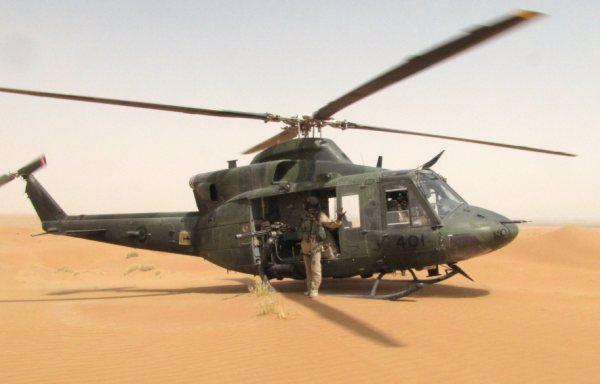
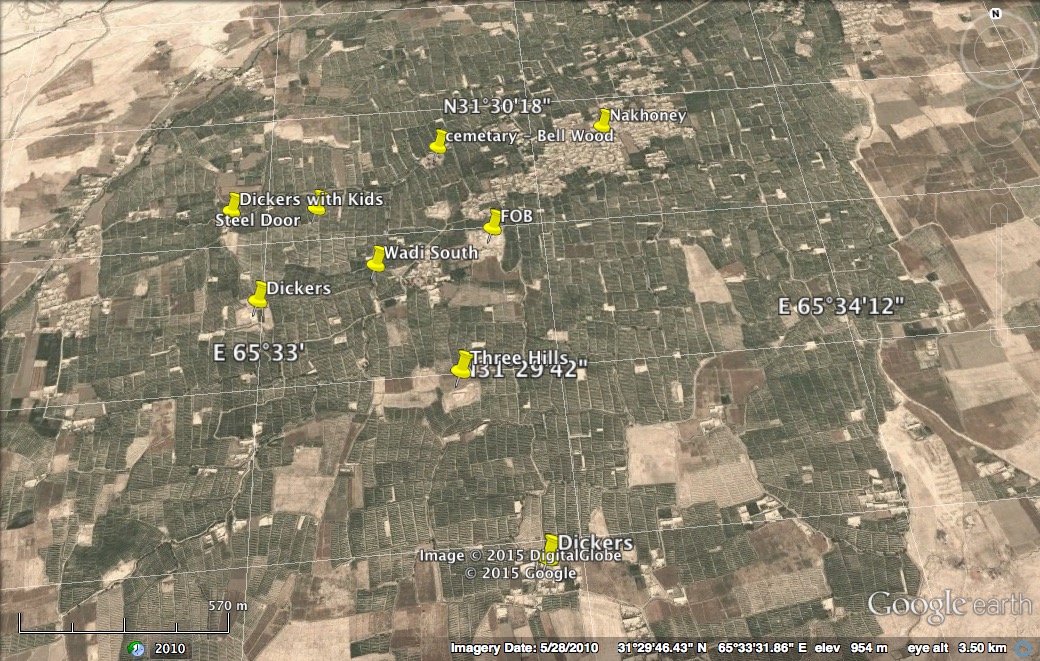
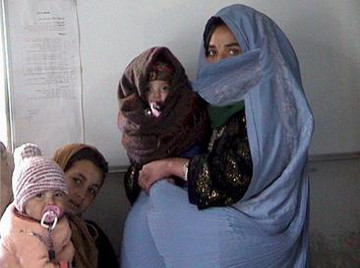
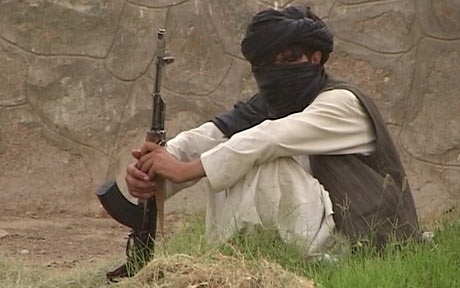
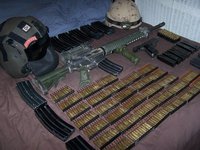
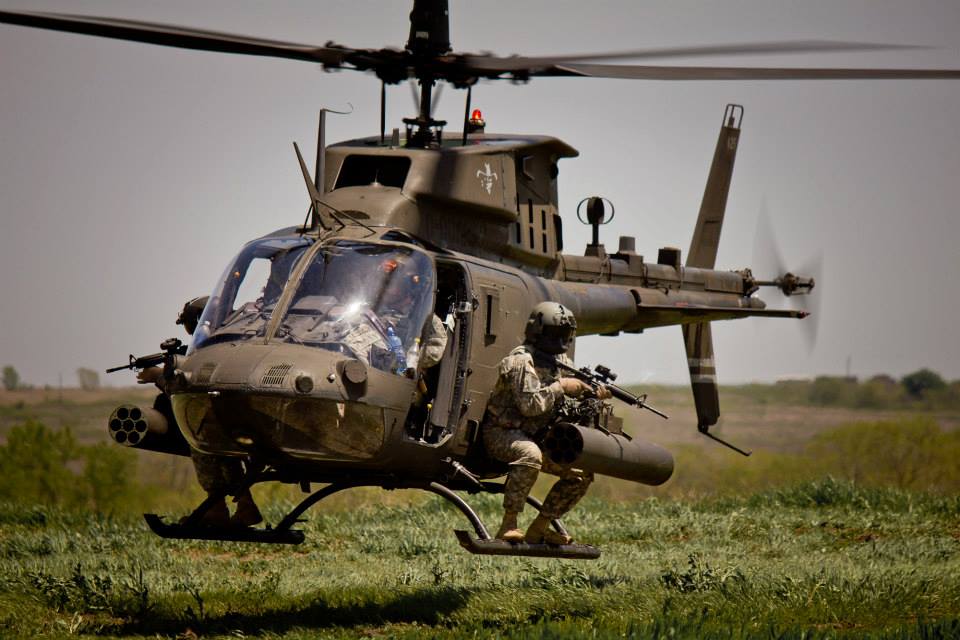
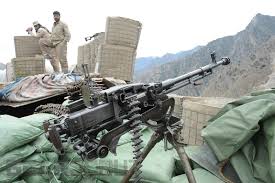
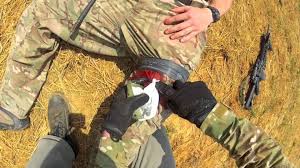
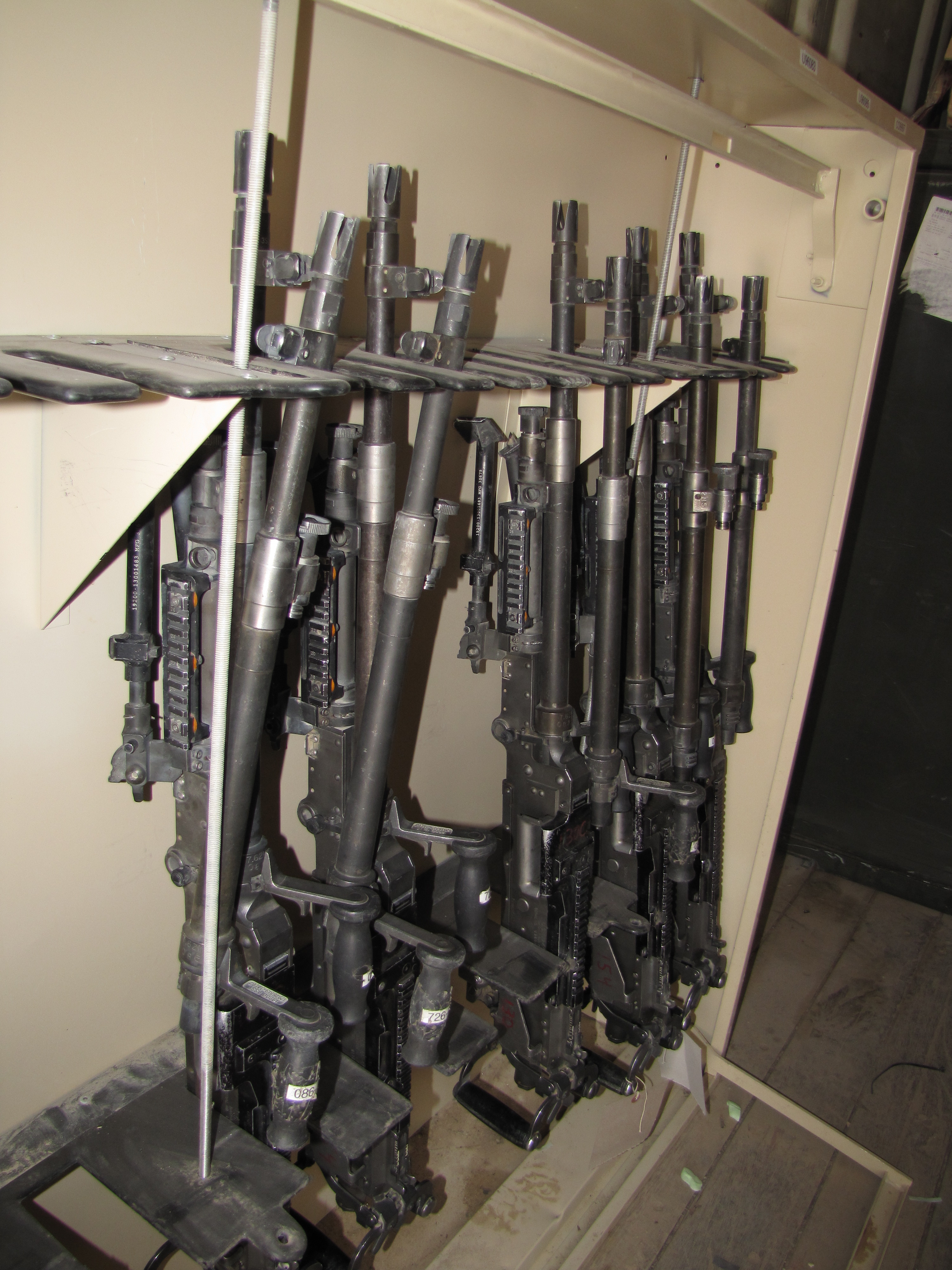
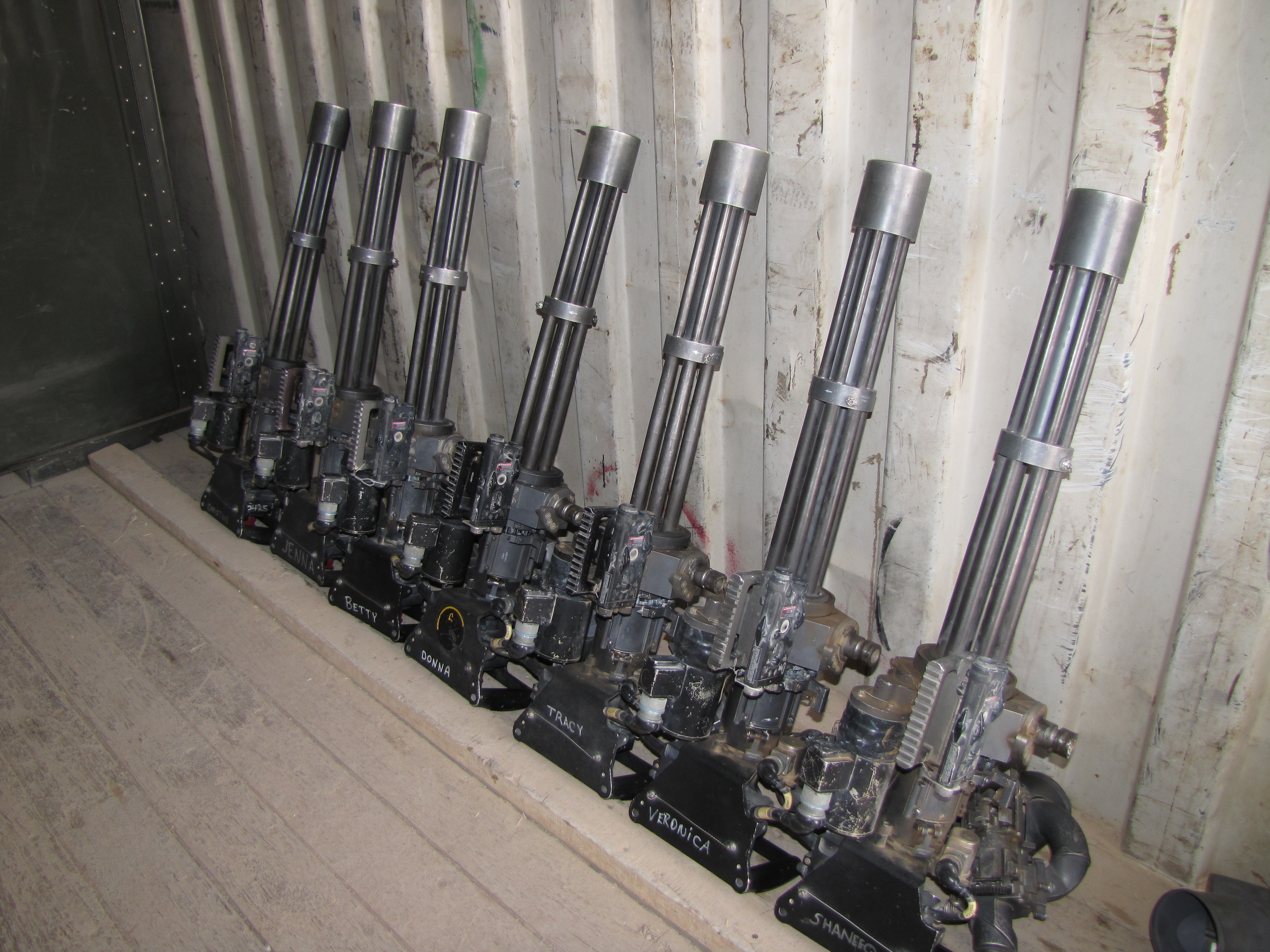
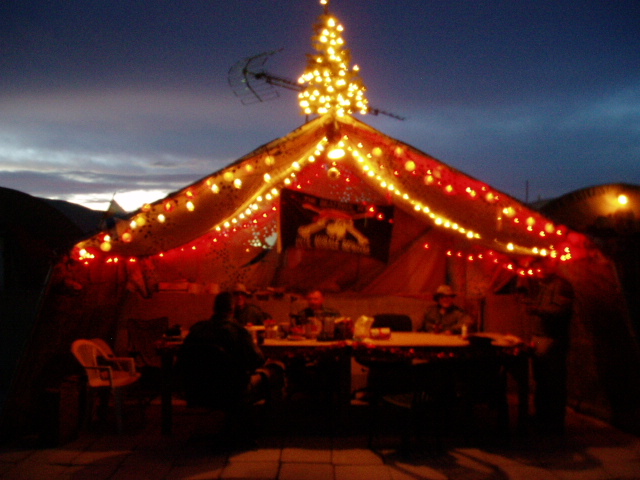
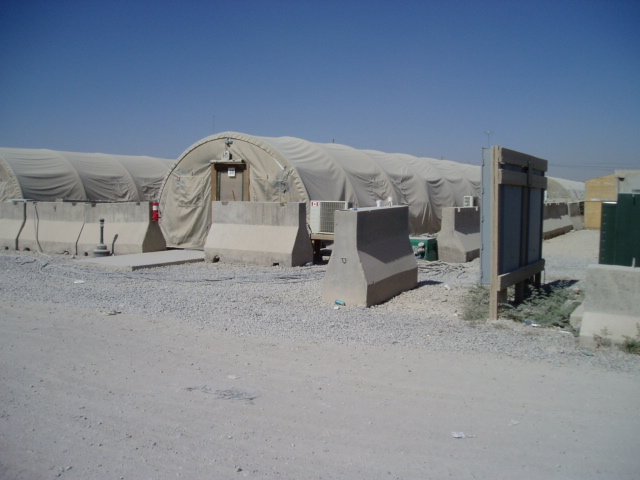
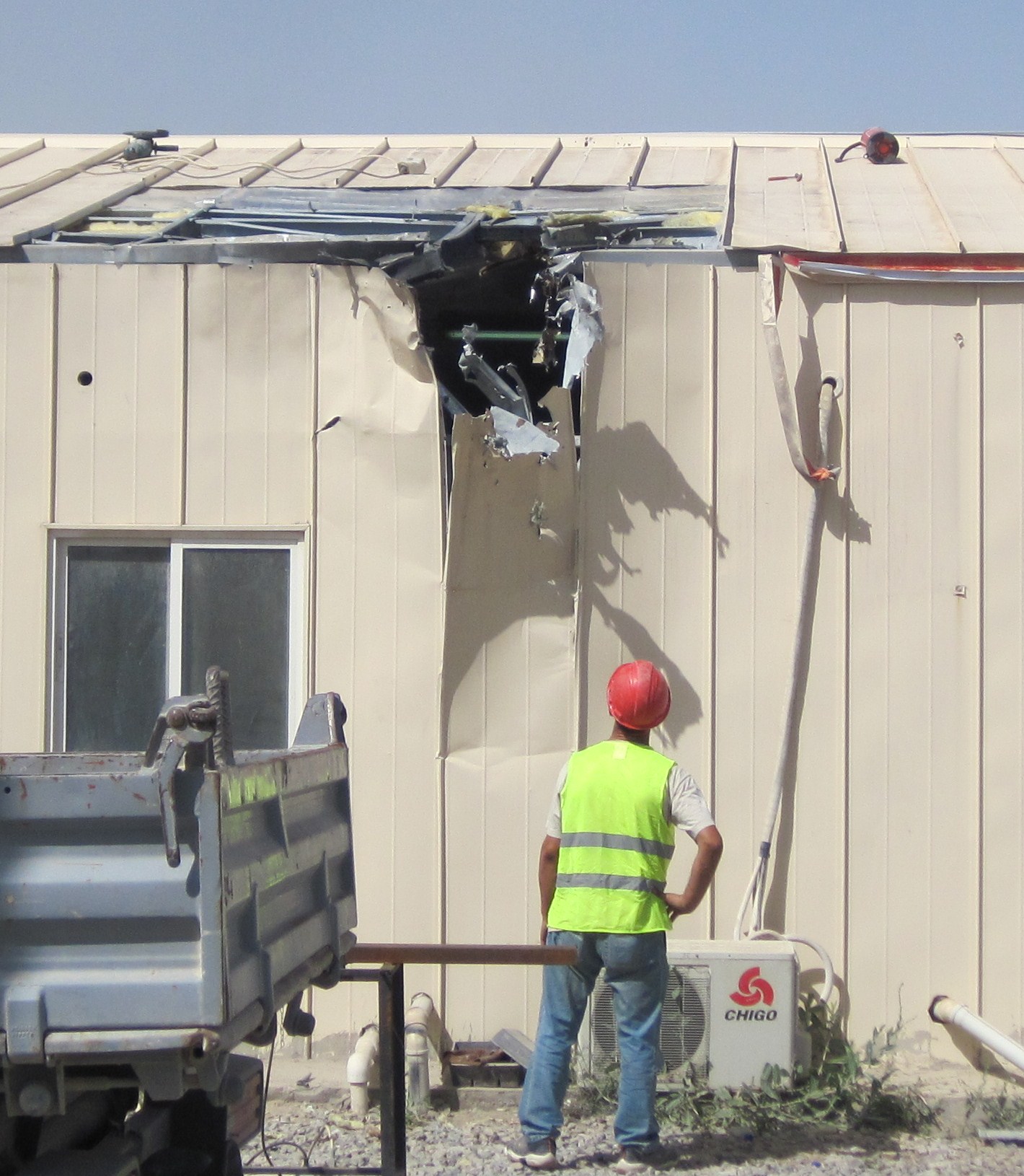
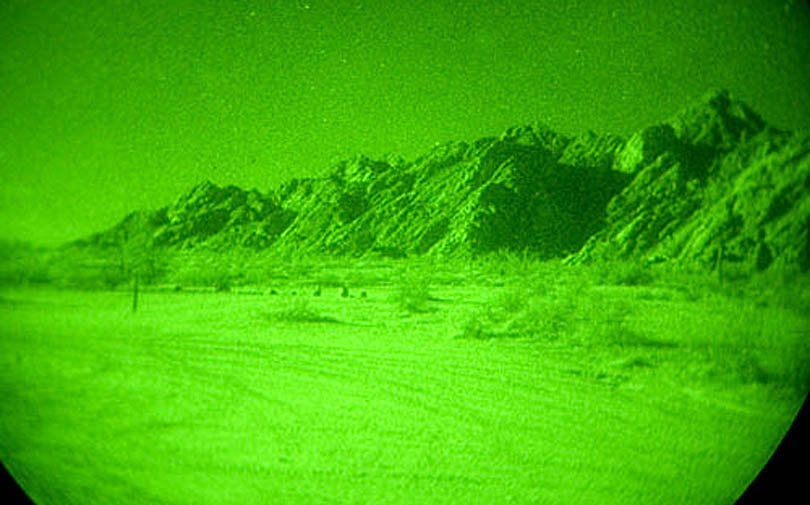
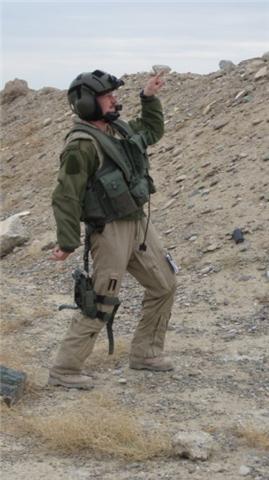
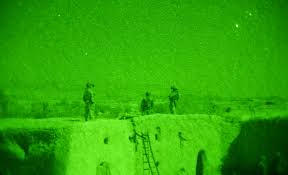
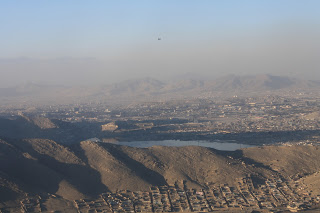
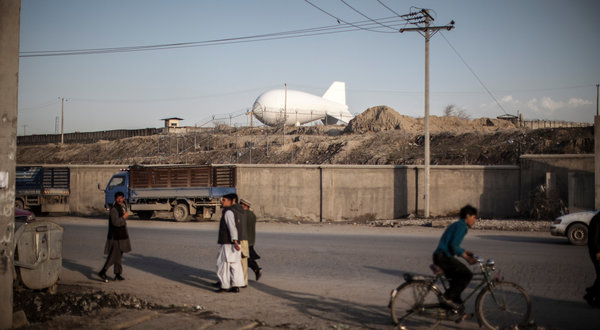
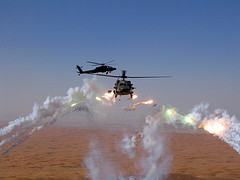
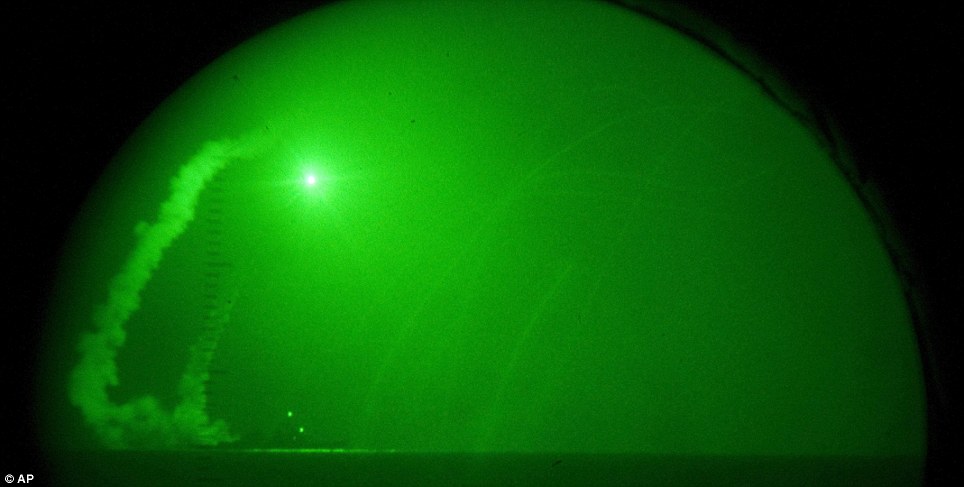
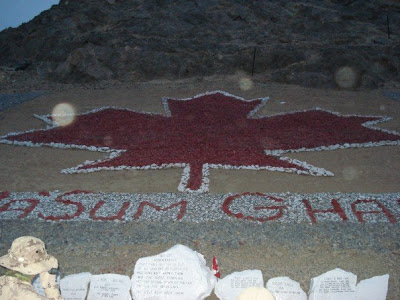
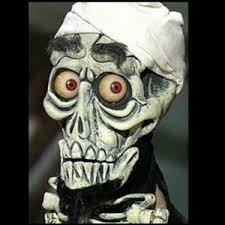
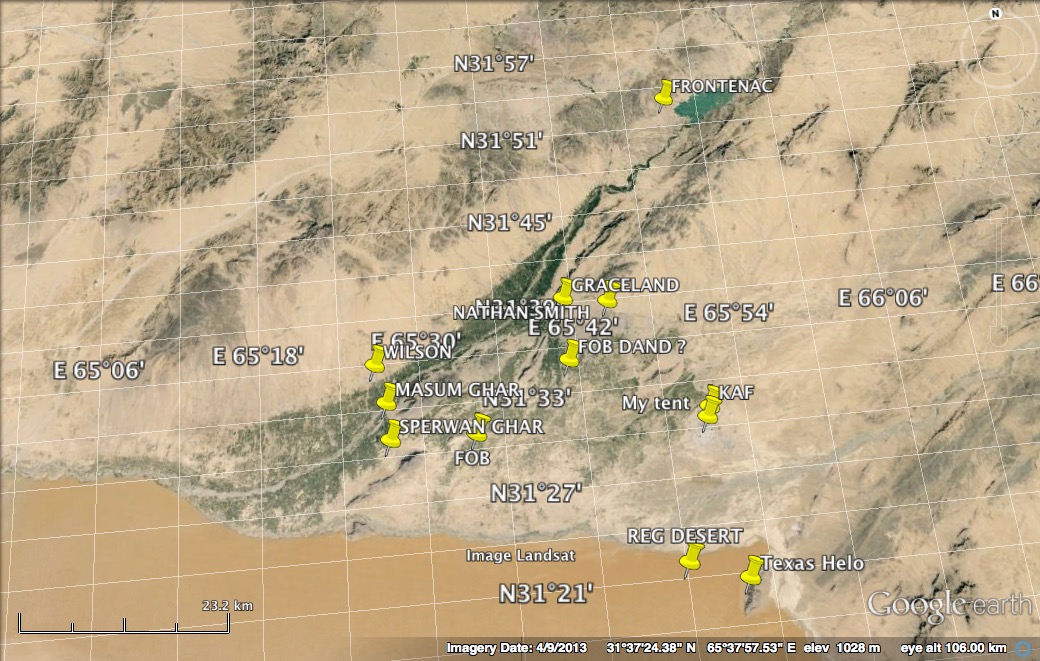
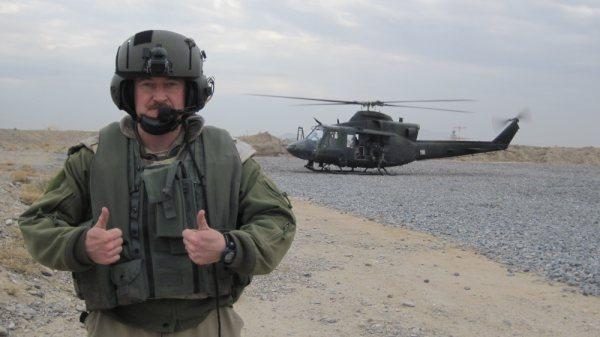
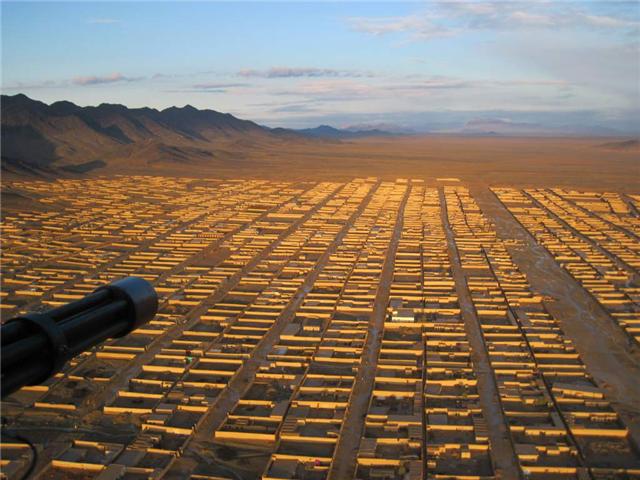
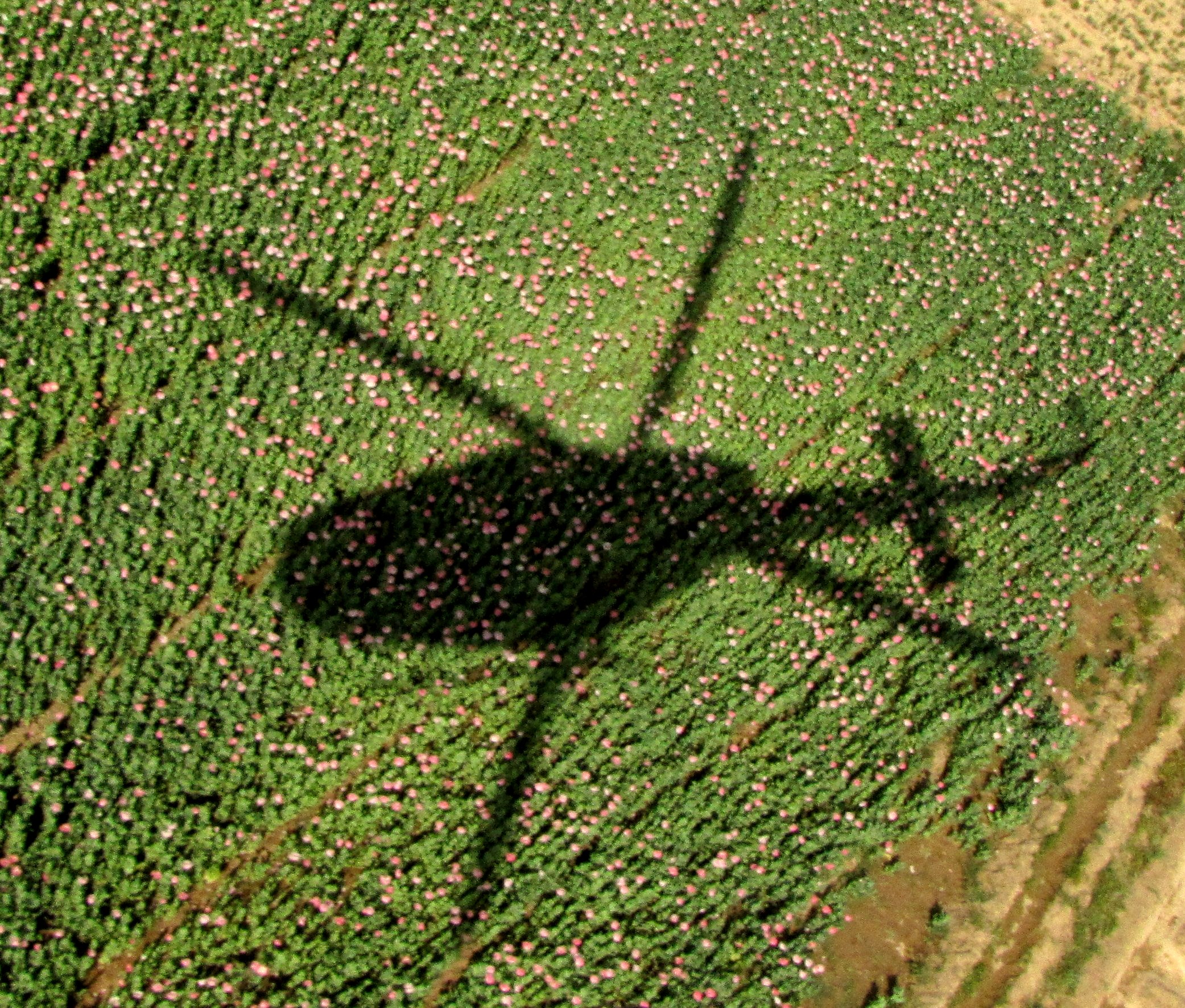
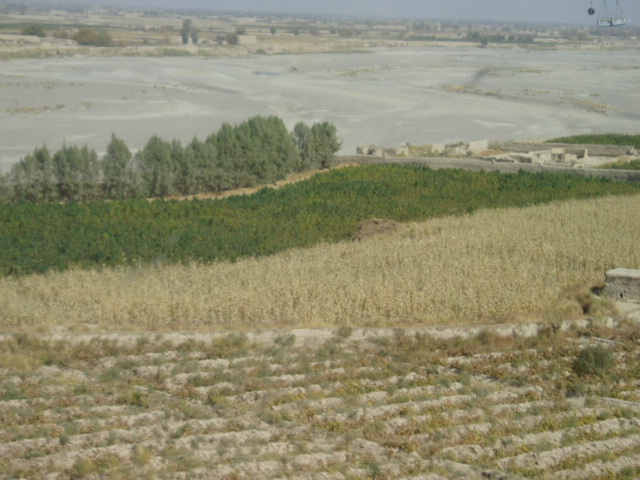
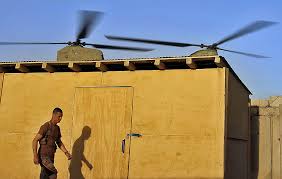
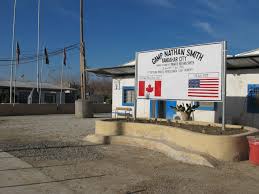
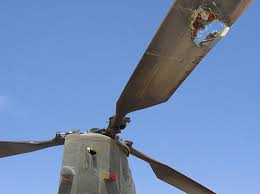
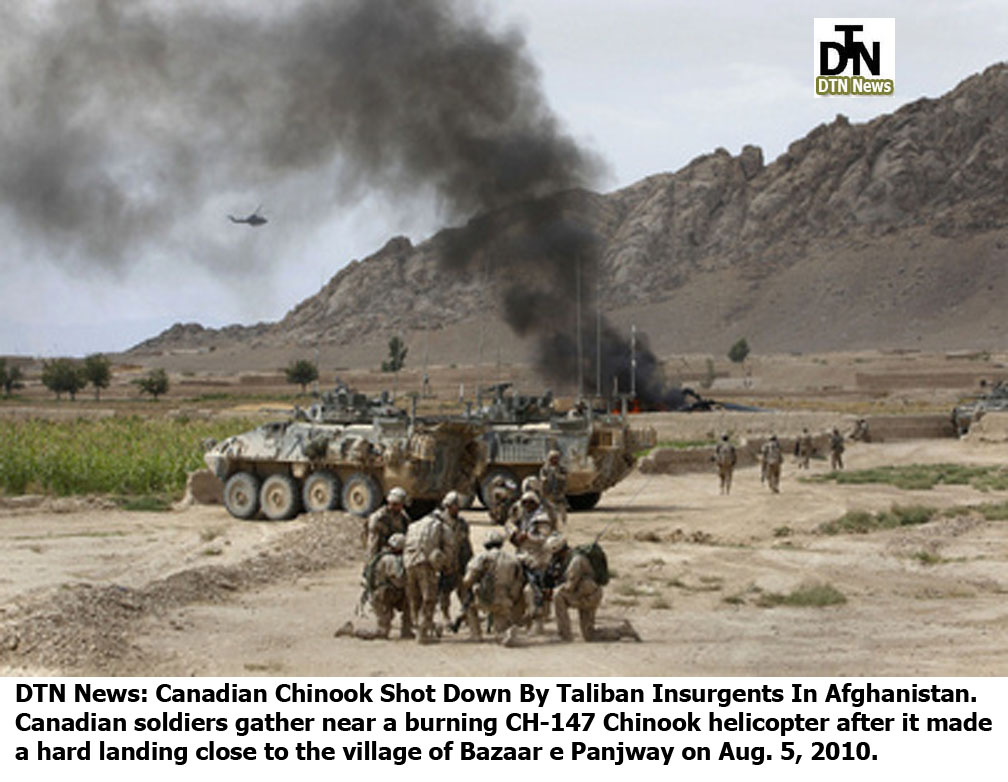
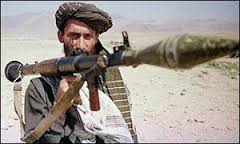
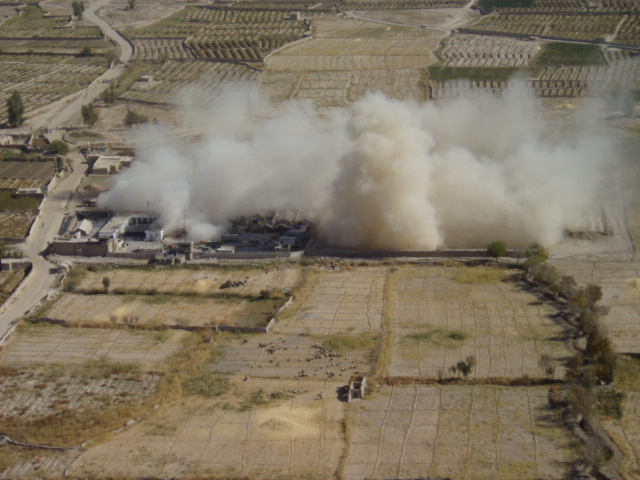
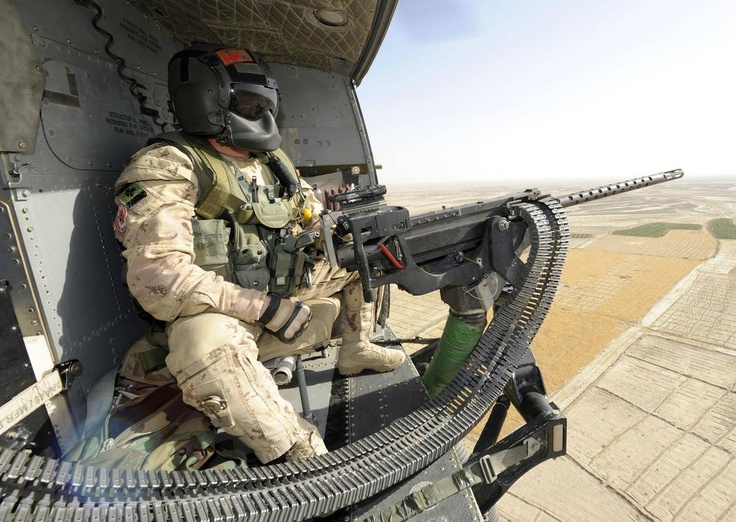
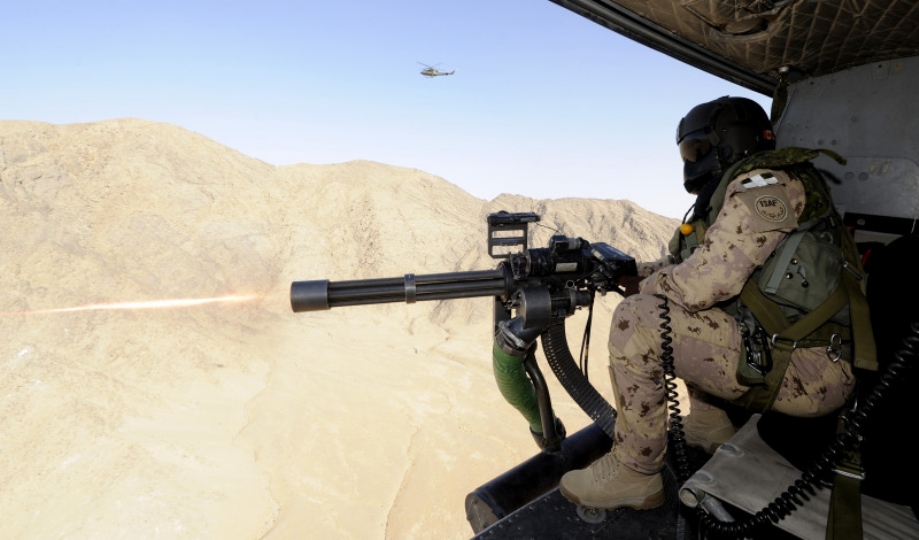
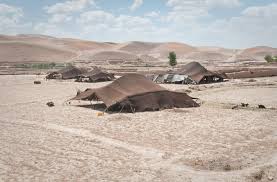
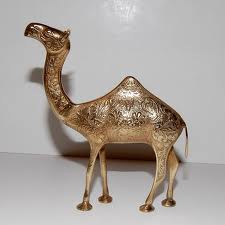
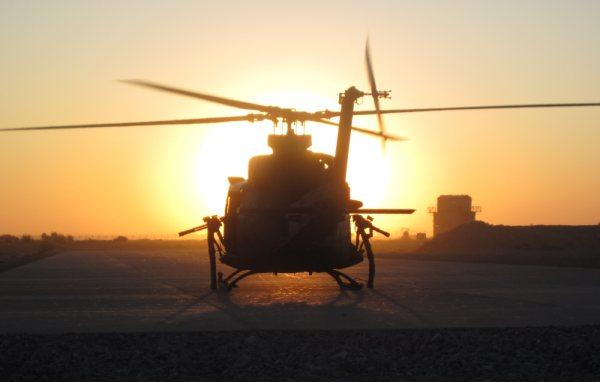
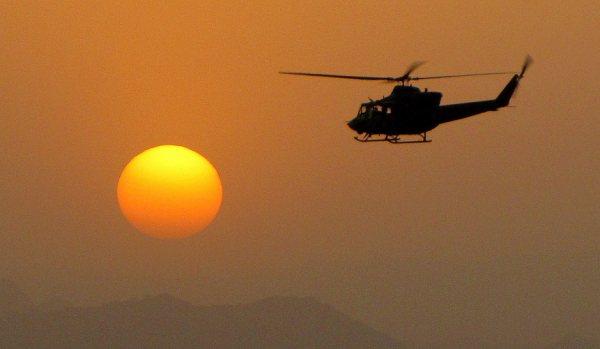
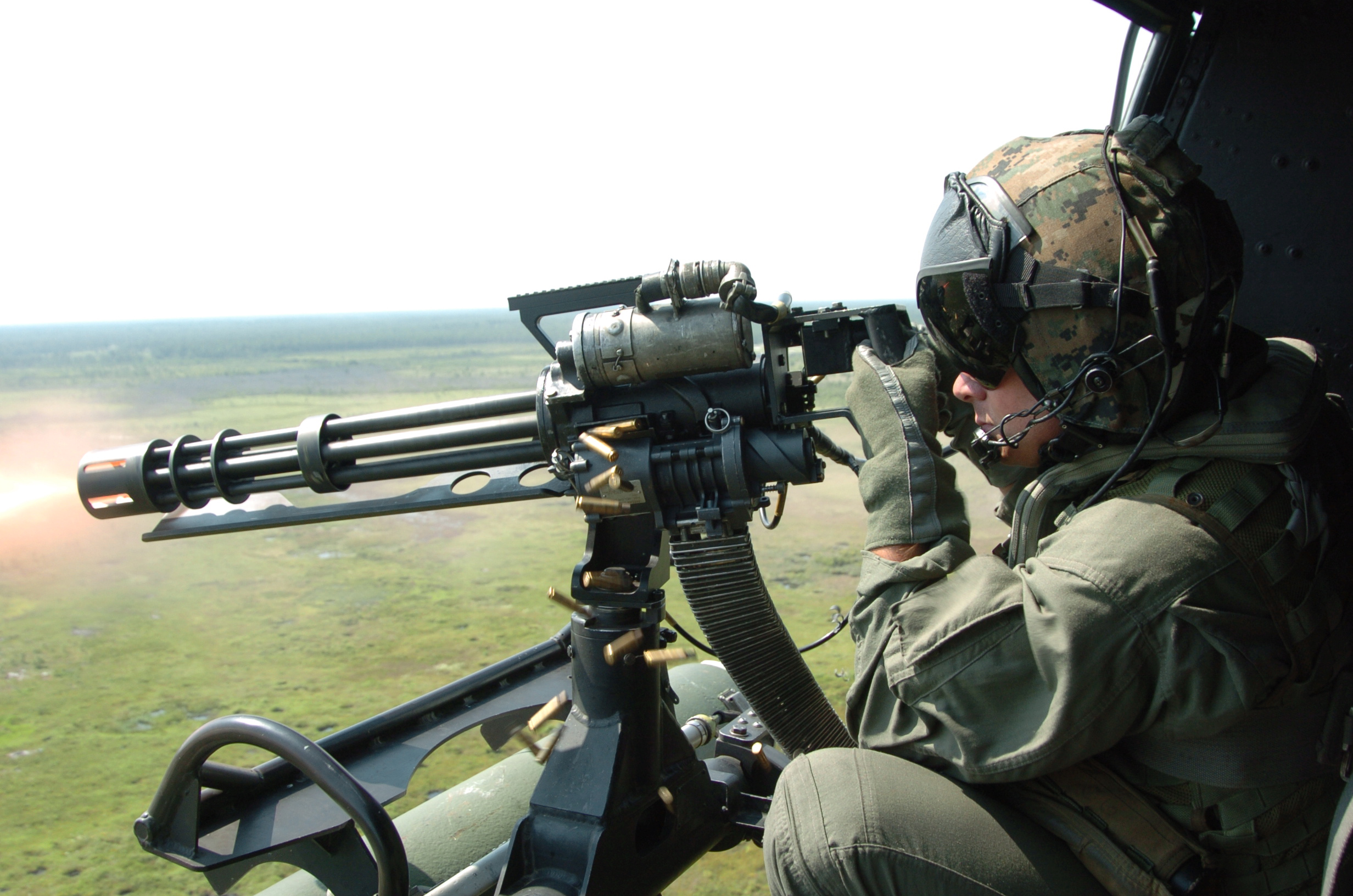
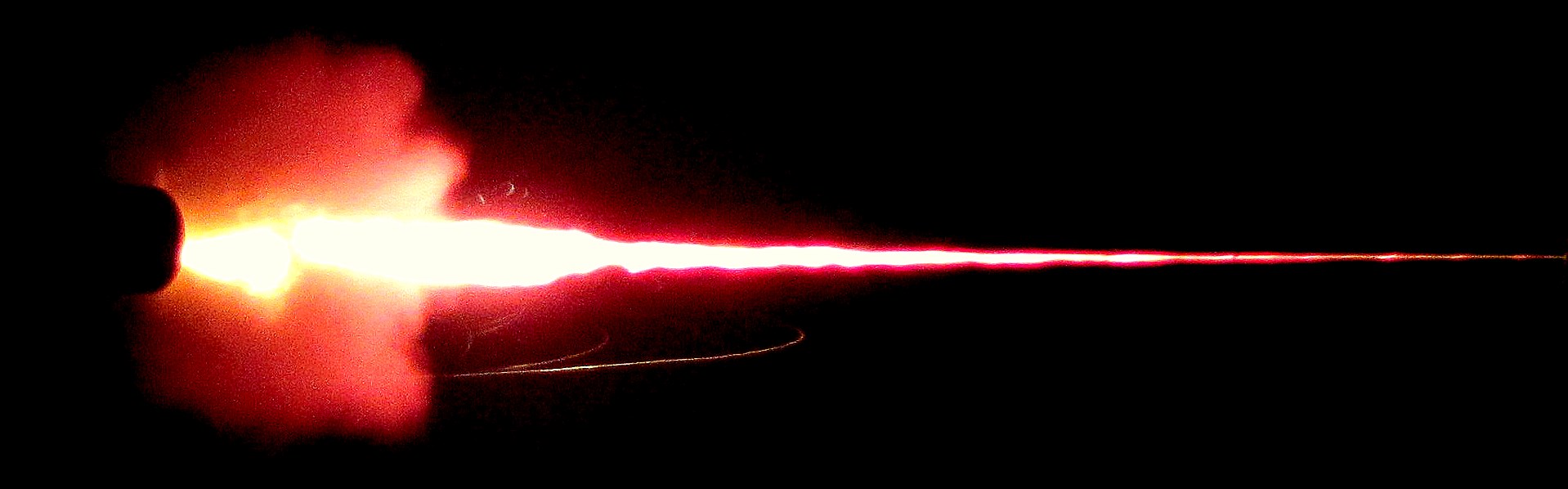
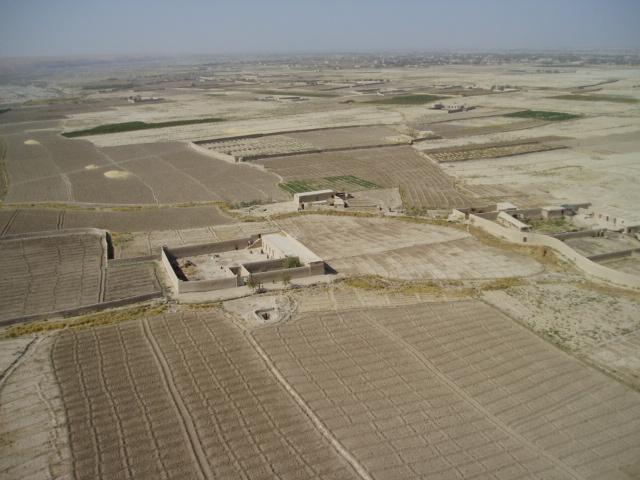
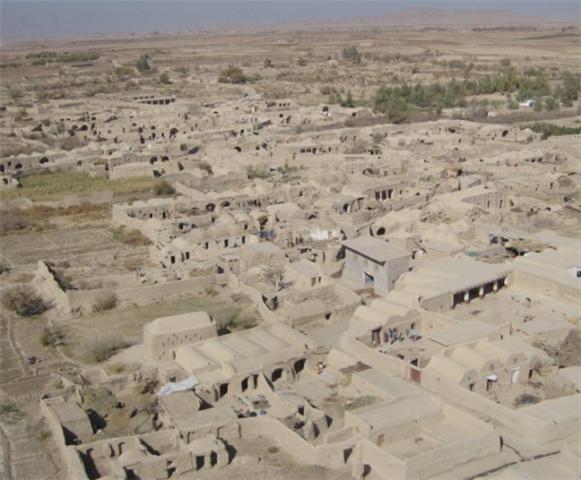
 Stephen Robertson Consulting